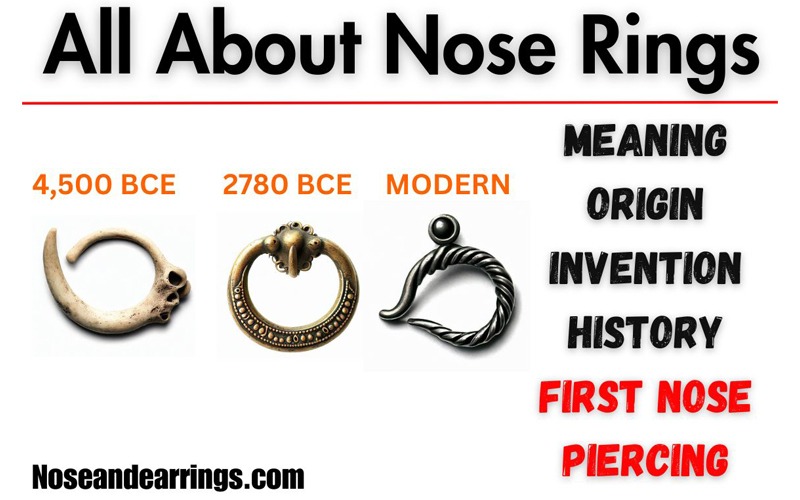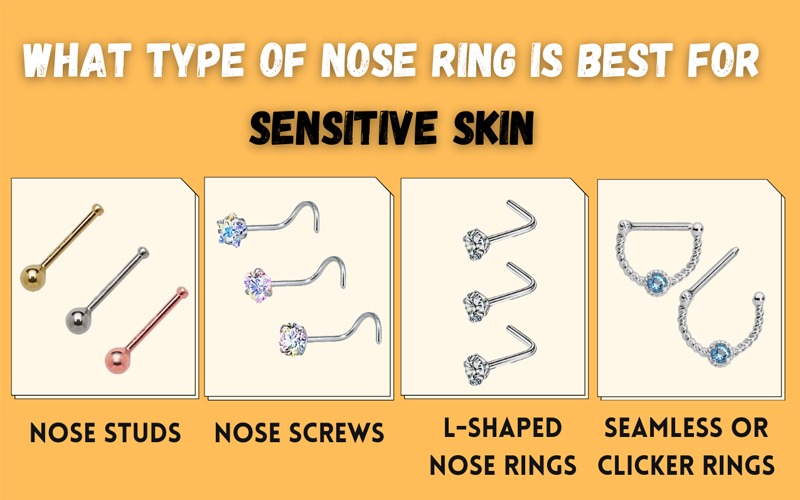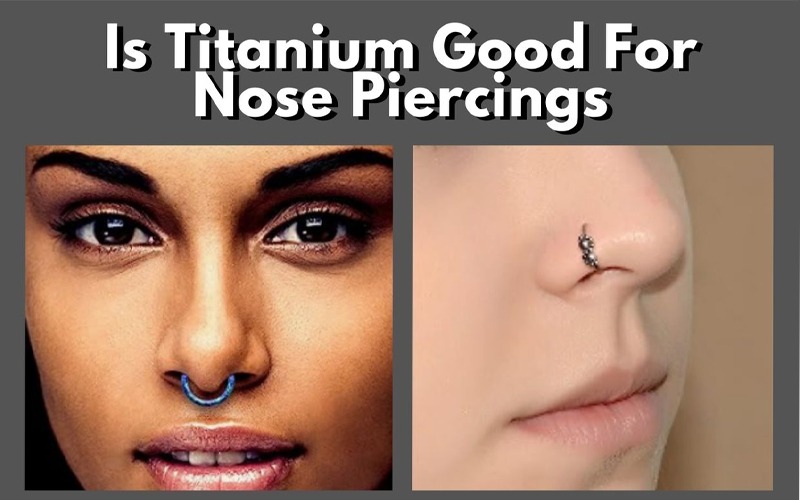
Nose rings can indeed close up, especially if the piercing is relatively new or if the jewelry has been removed for a significant period. Understanding the dynamics of how quickly nose piercings can close, the factors that influence this closure, and effective maintenance techniques is crucial for anyone considering a nose ring or already sporting one. This article will provide a comprehensive overview to ensure your nose piercing remains open and healthy.
How Quickly Do Nose Piercings Close?
The speed at which nose piercings can close varies significantly depending on several factors, most notably the age of the piercing. Newly pierced noses are particularly susceptible to closure; in fact, if jewelry is removed within hours of the piercing, the hole can begin to close almost immediately. This rapid closure is due to the body’s natural healing processes, which strive to revert to a non-pierced state when foreign objects are removed.
On the other hand, fully healed piercings have a higher tolerance for jewelry removal. Typically, once a nose piercing has fully healed—usually within 6 to 8 weeks—it may take anywhere from days to weeks for the hole to close completely. However, individual experiences can vary; some people may find that their piercings remain open for months or even years after the jewelry is removed, while others may notice a significant shrinking of the piercing hole within a few days.
Factors Affecting Closure Rate
Several factors contribute to how quickly a nose piercing may close. One of the primary factors is the healing time. Nose piercings that are still in the healing phase are more likely to close rapidly if jewelry is removed. During the initial weeks, the skin is still regenerating and adapting to the presence of the piercing, making it more vulnerable to closure.
Individual biology also plays a crucial role in how piercings behave post-removal. Factors such as skin type, genetics, and overall health can affect healing times and closure rates. For instance, individuals with thicker skin may experience slower closure, while those with thinner skin may find that their piercings close more quickly. Additionally, certain medical conditions or lifestyle factors, like smoking or a compromised immune system, can also impact healing and the likelihood of closure.
Maintaining Your Nose Piercing
Proper maintenance is vital to ensure that your nose piercing remains open. It is recommended to keep the jewelry in place for at least 6 to 8 weeks during the healing process. This duration allows the tissue to form around the jewelry, stabilizing the hole and reducing the risk of closure. During this period, it is crucial to avoid unnecessary removal of the jewelry, as even short gaps can lead to complications.
To maintain your piercing, regular cleaning is essential. Use saline solution or a saline-based wound cleanser to gently clean the area around the piercing. Avoid using alcohol or hydrogen peroxide, as these can be too harsh and may irritate the healing tissue. Additionally, be cautious when applying makeup or skincare products near the piercing, as these can introduce bacteria or clog the pierce.
It’s also advisable to choose high-quality jewelry made from materials such as surgical stainless steel, titanium, or gold, which are less likely to cause allergic reactions and irritation.
What to Do If Your Piercing Closes
If your nose piercing does close, it is not the end of the world. Depending on how long it has been since you removed the jewelry, you may have several options. If the closure has occurred recently—within a few days—you might be able to gently reinsert the original jewelry. However, if it has been longer, you may need to consult a professional piercer. They can assess the situation and determine whether re-piercing is necessary or if the hole can be stretched safely.
In some cases, if the piercing has closed completely, a professional piercer may advise you to wait for a period before attempting to re-pierce, allowing the tissue to heal fully to avoid complications. Always seek advice from a qualified professional to ensure the best outcome for your piercing.
Signs Your Piercing is Closing
Being aware of the signs that indicate your piercing may be closing is essential for timely intervention. One of the most noticeable signs is a visible shrinking of the piercing hole. If you observe that the hole appears smaller than it did when the jewelry was in place, this is a strong indication that closure may be imminent.
Increased discomfort or sensitivity in the area around the piercing can also signal that the hole is beginning to close. You might experience itching, redness, or a feeling of tightness around the piercing, indicating that the skin is healing and closing the hole. If you notice these symptoms, it’s advisable to reinsert your jewelry as soon as possible to prevent complete closure.
Preventive Measures for Nose Piercings
Preventive care is critical for maintaining your nose piercing in optimal condition. Regularly cleaning your piercing is crucial to prevent infection and irritation, which can lead to complications and possible closure. Use a saline solution to clean the area around the piercing at least twice a day, especially in the early healing stages.
Choosing high-quality jewelry can also significantly reduce the chance of allergic reactions, which can lead to irritation and potential closure. Opt for materials that are hypoallergenic, such as titanium or surgical stainless steel, to minimize the risk of complications.
Lastly, avoid changing your nose ring too frequently during the initial healing phase. Frequent changes can disrupt the healing process and increase the likelihood of the piercing closing.
Understanding how to care for your nose ring and recognizing the factors that contribute to its closure can significantly enhance your piercing experience. Maintaining proper hygiene, choosing the right jewelry, and being aware of the signs of closure will help ensure that your nose piercing remains open and healthy.
In conclusion, while nose rings can close up under certain conditions, being informed and proactive about your piercing care can mitigate these risks. By adhering to proper maintenance practices and consulting professionals when needed, you can enjoy your nose piercing confidently and without fear of unexpected closures. If you have further questions or need personalized advice, consider reaching out to a professional piercer for tailored guidance.
Frequently Asked Questions
Do nose rings close up if removed?
Yes, nose rings can close up if removed, especially if the piercing is relatively new. Typically, if the piercing is less than a year old, it may begin to close within a few hours to days after removal. However, older piercings that have fully healed can take much longer to close, sometimes weeks or even months, depending on individual healing factors and skin type.
How long does it take for a nose piercing to close?
The time it takes for a nose piercing to close varies based on how long the piercing has been in place. For fresh piercings, closure can occur within hours to days, whereas fully healed piercings may take several weeks to months to close. Factors such as individual healing rates, skin type, and overall health can also influence this timeframe.
Why do nose piercings close up quickly?
Nose piercings tend to close up quickly because the nasal tissue has a high rate of regeneration and healing. If the piercing is new, the body perceives the hole as a wound that requires closure, leading to rapid tissue growth. Additionally, the smaller diameter of the piercing often allows for quicker closure compared to larger body piercings.
What can I do to prevent my nose piercing from closing?
To prevent your nose piercing from closing, you should keep the jewelry in place at all times, especially if the piercing is still healing. If you need to remove the jewelry for any reason, consider using a retainer or a small piece of jewelry designed for that purpose. Additionally, applying a saline solution to the area can help maintain the health of the piercing and minimize irritation during temporary removals.
Which type of nose jewelry is best for preventing closure?
The best type of nose jewelry for preventing closure is usually a stud or hoop made of hypoallergenic materials, such as titanium or surgical stainless steel. These materials are less likely to irritate the skin and promote healing. It’s also advisable to choose jewelry with a secure backing that ensures it stays in place, as this reduces the risk of removal and subsequent closure of the piercing.