Getting a nose ring can be a bit uncomfortable, but the pain is usually minimal and short-lived. Most people report a quick pinch during the piercing process, followed by some swelling and tenderness that typically subsides within a few days. Understanding the factors influencing pain levels, the specifics of the piercing process, and effective aftercare can help you navigate the experience more comfortably. This article will delve into these aspects to provide a comprehensive overview for those considering a nose piercing.
Understanding the Pain Factor

Pain tolerance varies significantly from person to person, which means each individual’s experience during a nose piercing will differ. Factors such as genetics, previous experiences with pain, and psychological preparedness all play a role in how discomfort is perceived. Generally, the pain from a nose piercing is described as a sharp pinch that lasts only a moment, followed by a dull ache that quickly fades.
The location of the piercing can also influence the pain level. For instance, nostril piercings are often considered less painful than septum piercings. This is due to the density and sensitivity of the nerve endings in different areas of the nasal structure. Some individuals report that septum piercings, which involve piercing through the cartilage, can be more uncomfortable due to the increased sensitivity in that area. Understanding these nuances can help potential piercees set realistic expectations for their experience.
The Piercing Process
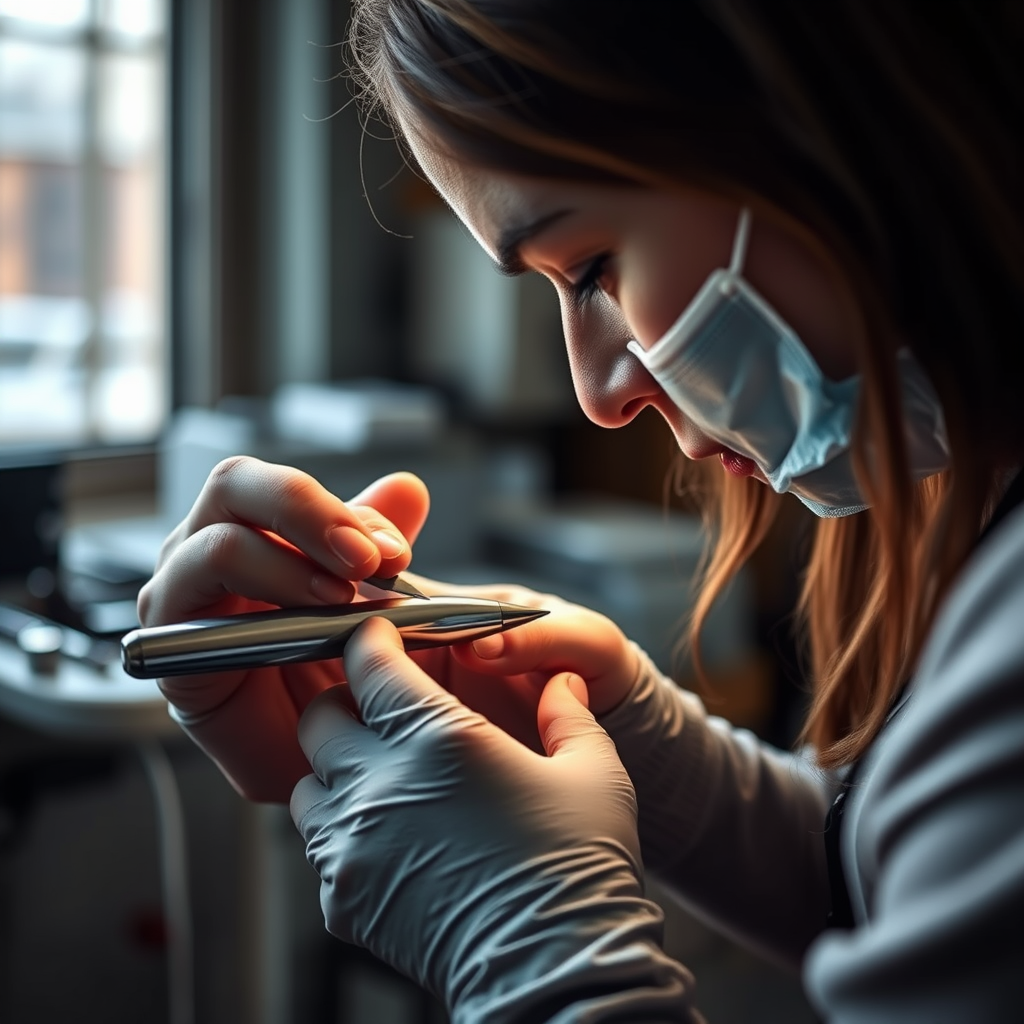
The actual process of getting a nose ring is relatively quick, and the choice of equipment can impact the pain experienced. Professional piercers typically use a sterilized needle rather than a piercing gun. While piercing guns may seem quicker, they can cause more trauma to the surrounding tissue, leading to increased pain and a longer healing time.
During the piercing process, the piercer will mark the desired location on the nostril or septum, ensuring that it aligns with the individual’s facial anatomy. Once the area is cleaned and prepared, the needle is swiftly inserted, allowing for a smooth placement of the jewelry. The entire procedure usually takes only a few seconds, minimizing prolonged discomfort. Many people find that the anticipation of pain is often greater than the actual sensation experienced during the piercing.
Aftercare and Pain Management
Proper aftercare is essential for healing and can significantly minimize pain associated with a new nose piercing. Aftercare typically involves cleaning the piercing with a saline solution or an antiseptic recommended by the piercer. This practice helps prevent infection and promotes faster healing, reducing any lingering discomfort.In addition to cleaning, over-the-counter pain relievers such as ibuprofen or acetaminophen can be effective in managing any post-piercing discomfort. It is crucial to follow the dosage instructions and consult with a healthcare provider if there are concerns about pain management or potential medication interactions. The key to a smooth healing process lies in diligent aftercare and listening to your body, addressing any signs of discomfort promptly.
Common Reactions Post-Piercing
After getting a nose ring, it is common to experience some swelling and tenderness in the first few days. This reaction is a natural response to the trauma of the piercing and typically diminishes within a week. Alongside swelling, some individuals may notice slight bleeding or bruising around the piercing site. These reactions are usually temporary and should resolve quickly with proper care.
It is important to monitor the piercing for any unusual reactions. While swelling and tenderness are expected, excessive swelling, pus discharge, or a fever may indicate an infection. Understanding these common post-piercing reactions can help individuals differentiate between normal healing and potential complications, allowing for timely intervention if necessary.
When to Seek Professional Help
While most individuals will experience only mild discomfort and minor reactions following a nose piercing, it is essential to know when to seek professional help. If pain persists beyond a week or worsens, consulting a healthcare professional is advisable. Persistent pain may suggest complications such as an infection or an allergic reaction to the jewelry material.
Personal Experiences and Testimonials
Many individuals share their experiences online, providing valuable insights into the nose piercing journey. The general consensus is that while the initial pain can be brief, the aesthetic appeal of the ring often outweighs any discomfort felt during the process. Testimonials frequently highlight the importance of choosing a reputable piercer and the impact of proper aftercare on the overall experience.
Learning from others can provide comfort and realistic expectations regarding the pain involved. Many who have undergone the process express satisfaction with their decision, noting that the beauty and personal significance of the nose ring make the temporary discomfort worthwhile. For those considering a nose piercing, these shared experiences can serve as encouragement and reassurance.
In summary, getting a nose ring may involve some discomfort, but the pain is generally minimal and manageable. By understanding the pain factors, the piercing process, and the importance of aftercare, individuals can prepare themselves for a positive experience. Consulting with a professional piercer can further streamline the process and help ensure a successful outcome. If you are contemplating a nose ring, weigh your options carefully, and make an informed decision that aligns with your personal style and comfort level.
Frequently Asked Questions
Does getting a nose ring hurt?
The pain level associated with getting a nose ring varies from person to person, but most individuals report only mild discomfort. The procedure typically involves a quick piercing of the nostril, and while you may feel a sharp pinch or pressure, this sensation usually lasts only a few seconds. After the initial piercing, some soreness or tenderness may occur as the area heals, but this is manageable and generally subsides within a few days.
How can I reduce pain when getting a nose ring?
To minimize pain during a nose ring piercing, consider visiting a professional piercer who uses a needle rather than a piercing gun, as this approach tends to be less traumatic. Additionally, you can apply a topical numbing cream before your appointment, which can help to dull the sensation during the procedure. It’s also advisable to stay calm and relaxed; deep breathing can help ease anxiety and reduce perceived pain.
Why does my nose hurt after getting a ring?
After getting a nose ring, it is normal to experience some pain, swelling, or tenderness as the piercing heals. This discomfort is part of the body’s natural healing process, which can last anywhere from a few days to several weeks, depending on your body and aftercare practices. Ensuring that you clean the area properly and avoid touching or twisting the ring can help alleviate pain and promote faster healing.
What is the best aftercare for a new nose piercing to minimize pain?
To minimize pain and promote healing after getting a nose piercing, it’s important to follow a consistent aftercare routine. Clean the piercing site twice daily with a saline solution or a gentle saline wound wash and avoid using alcohol or hydrogen peroxide, as these can irritate the area. Additionally, avoid touching the piercing with dirty hands and refrain from changing the jewelry until it is fully healed.
Which type of nose ring is least painful for a beginner?
For beginners, a stud nose ring is often recommended as it is less likely to catch on clothing or other objects, reducing the risk of pain or irritation. Materials such as surgical stainless steel, titanium, or gold are ideal for initial piercings, as they are less likely to cause allergic reactions or infections. Choosing a smaller gauge can also help to lessen discomfort during the healing process.
References
- Nose piercing
- https://www.healthline.com/health/nose-piercing-pain
- https://www.medicalnewstoday.com/articles/nose-piercing-pain
- https://www.verywellhealth.com/nose-piercing-pain-and-healing-5181869
- https://www.ncbi.nlm.nih.gov/pmc/articles/PMC5781194/
- https://www.webmd.com/beauty/piercing-nose-pain-risks-care
- https://www.hopkinsmedicine.org/health/wellness-and-prevention/piercing-pain-how-to-prepare-for-a-nose-piercing
- https://www.aafp.org/pubs/afp/issues/2014/0715/p141.html
- https://www.mayoclinic.org/tests-procedures/piercing/about/pac-20322186