Getting a corkscrew nose ring in can be a bit tricky, but with the right approach, it becomes manageable. The key is to ensure that the corkscrew end is positioned correctly for a smooth insertion. This guide will help you navigate the process with ease, providing you with tips to avoid discomfort and achieve the best fit.
Understanding the Corkscrew Nose Ring Design
Corkscrew nose rings feature a unique spiral design that not only adds aesthetic appeal but also serves a functional purpose. The corkscrew shape is designed to secure the jewelry in place, minimizing the risk of it falling out. Understanding the anatomy of the corkscrew is essential for a successful insertion. Typically, corkscrew nose rings are made of materials such as surgical stainless steel, titanium, or gold, which are less likely to irritate the skin.
Before attempting to insert the corkscrew, familiarize yourself with how it works. The spiral tip of the ring should be positioned to allow for a smooth slide through the piercing. This design also allows for a snug fit, preventing the ring from shifting out of place. Knowing these features will help you navigate the insertion process more confidently.
Preparing for Insertion
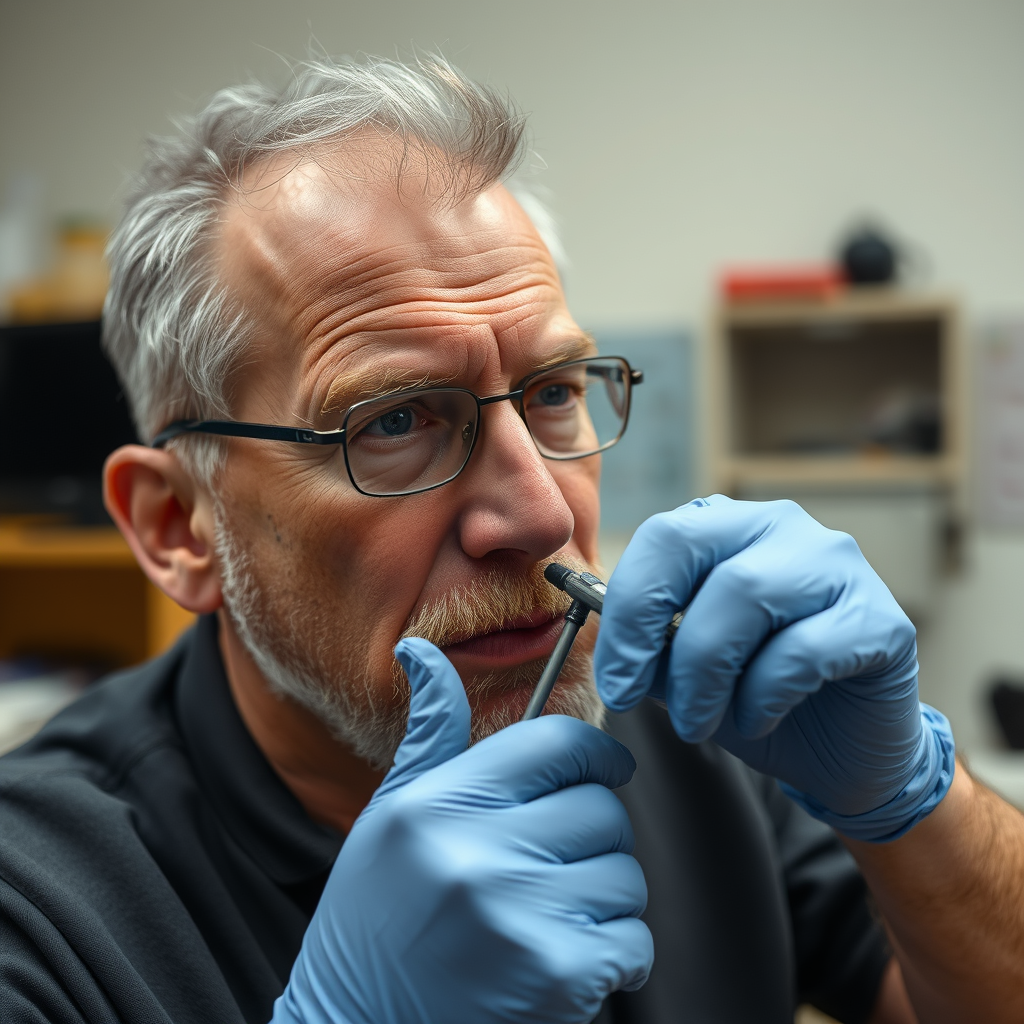
Preparation is crucial when it comes to inserting a corkscrew nose ring. Start by thoroughly cleaning your hands and the nose ring itself. Use a saline solution or rubbing alcohol to disinfect both your fingers and the jewelry, as this will help prevent any risk of infection. Infection can lead to significant discomfort and complications, so prioritizing hygiene is essential.
Next, ensure you have a well-lit area and a mirror that provides a clear view of your nose piercing. Good lighting will help you see exactly where you’re inserting the corkscrew, reducing the chances of misalignment or accidental poking. Some individuals find it helpful to lean closer to the mirror or even use a magnifying mirror for better visibility.
Inserting the Corkscrew Nose Ring
Once you’re prepared, it’s time to insert the corkscrew nose ring. Begin by gently pushing the corkscrew end through the piercing hole at a slight angle. This angle is crucial as it allows the corkscrew tip to navigate through the piercing more easily. Avoid forcing the ring, as doing so could lead to discomfort or injury.
As you insert the ring, you may find that gently rotating it can help guide the corkscrew into position. This motion can ease the entry, allowing the spiral to follow the natural contour of your nostril. If you encounter resistance, don’t force it; instead, take a moment to reposition and try again. It’s essential to be patient during this step to ensure a comfortable fit.
Adjusting for Comfort
After successfully inserting the corkscrew nose ring, it’s important to check its fit to ensure your comfort. The corkscrew should feel snug but not overly tight. If you experience any pinching or irritation, adjust the ring slightly. You can do this by gently twisting or repositioning the corkscrew while observing it in the mirror.
Keep in mind that the initial adjustment period may involve some trial and error. It’s advisable to give yourself time to get used to the new jewelry. If the ring feels uncomfortable after a few hours, consider removing it and allowing your piercing to rest before trying again. Comfort should always take precedence when it comes to body jewelry.
Aftercare Tips
Proper aftercare is vital in ensuring your corkscrew nose ring heals effectively and remains infection-free. Keep the area clean by gently washing it with saline solutions or mild, unscented soap. Avoid harsh chemicals, as these can irritate the piercing and prolong the healing process.In addition to cleaning, consider using saline sprays or solutions specifically designed for body piercings. These products can help to promote healing and keep your piercing free from bacteria. It’s also essential to avoid touching the area with dirty hands, as this can introduce harmful pathogens.
Lastly, be mindful of your activities in the days following insertion. Avoid swimming in pools or hot tubs, as these can expose your piercing to bacteria and increase the risk of infection. Opt for gentle, non-irritating facial products, and be cautious when applying makeup to avoid accidental contact with the piercing.
Troubleshooting Common Issues
Even with careful preparation and insertion, you may encounter some common issues when wearing a corkscrew nose ring. If you experience pain or difficulty during insertion, it’s best to take a break and try again later. Forcing the corkscrew can cause unnecessary trauma to the piercing, leading to complications.
If the corkscrew won’t go in smoothly, check for any kinks or bends that may be obstructing it. Sometimes, the jewelry may not have been shaped correctly, which can hinder the insertion process. If you notice any flaws, consider using a new corkscrew or visiting a professional piercer for assistance.
Additionally, if you find that the corkscrew is continually irritating your piercing after several adjustments, it may be a sign that the size or type of jewelry isn’t suitable for you. Consulting with a professional piercer can help you find the right fit and reduce discomfort.
With practice and patience, getting a corkscrew nose ring in can become a routine part of your piercing care. This guide provides you with the essentials needed to ensure a smooth experience when inserting your jewelry. Remember to prioritize hygiene and comfort while adjusting, and don’t hesitate to seek professional help if needed. Ultimately, a corkscrew nose ring can enhance your look and offer a unique style that reflects your personality when worn correctly.
Frequently Asked Questions
What is a corkscrew nose ring and how does it work?
A corkscrew nose ring is a type of body jewelry designed for nose piercings, characterized by its spiral shape that resembles a corkscrew. Its design allows it to securely fit in the piercing while minimizing the risk of it falling out. The twisted end provides a snug closure, making it ideal for everyday wear and preventing irritation during activities.
How do I properly insert a corkscrew nose ring?
To insert a corkscrew nose ring, first, ensure your hands are clean to prevent infection. Gently hold the nostril open with one hand and align the corkscrew end with the piercing hole. Carefully push the straight end of the jewelry through the piercing until the spiral end follows through, then twist the corkscrew to secure it in place. This method reduces discomfort and ensures a snug fit.
Why do corkscrew nose rings sometimes cause irritation?
Corkscrew nose rings can cause irritation for several reasons, including improper insertion, wearing the wrong size, or using materials that may not be hypoallergenic. If the jewelry is too tight or the spiral end is not positioned correctly, it can rub against the skin and lead to soreness. Opting for high-quality materials like titanium or surgical steel can also help reduce irritation and allergic reactions.
What is the best material for corkscrew nose rings?
The best materials for corkscrew nose rings are usually surgical stainless steel, titanium, and gold. Surgical stainless steel is durable and resistant to tarnish, making it a popular choice for sensitive skin. Titanium is lightweight and hypoallergenic, while gold offers both aesthetic appeal and biocompatibility, making it suitable for those with metal sensitivities.
Which aftercare tips should I follow after getting a corkscrew nose ring?
After getting a corkscrew nose ring, proper aftercare is essential to prevent infection and promote healing. Clean the area twice daily with a saline solution or a gentle saline spray, and avoid touching the piercing with dirty hands. Additionally, refrain from changing the jewelry or applying makeup near the piercing for at least 6-8 weeks after the initial insertion to allow for adequate healing.
References
- Nose piercing
- https://www.ncbi.nlm.nih.gov/pmc/articles/PMC7241199/
- https://www.healthline.com/health/nose-piercing-care
- https://www.medicalnewstoday.com/articles/nose-piercing-care-guide
- https://www.mayoclinic.org/healthy-lifestyle/adult-health/in-depth/piercings/art-20045514