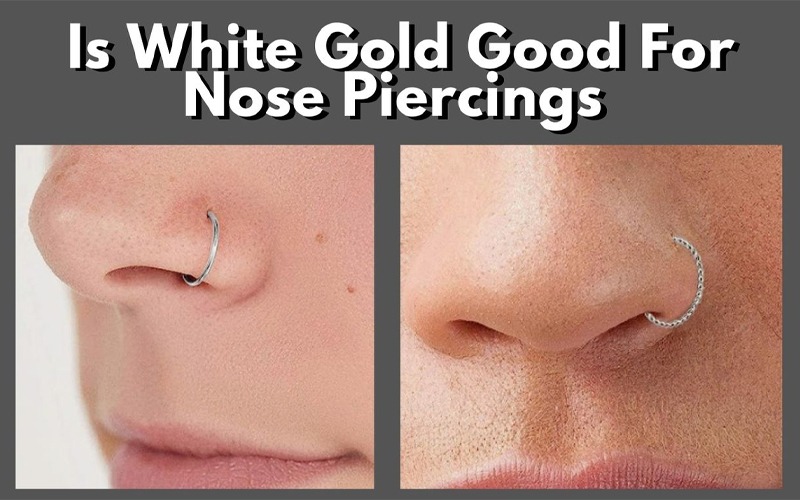
Inserting a screw nose ring can be a straightforward process when you follow the correct steps. The key to success lies in maintaining cleanliness and handling the jewelry gently to avoid discomfort or infection. This guide will walk you through the essential steps to easily and safely insert your screw nose ring, ensuring a smooth experience from start to finish.
Understanding Screw Nose Rings
Screw nose rings are a popular choice among body jewelry enthusiasts due to their secure design. Unlike traditional hoop or stud earrings, screw nose rings feature a threaded post that screws into the back of the ring itself. This design minimizes the risk of the jewelry falling out, making it a reliable option for everyday wear. They are especially favored for nose piercings, where security is paramount.
There are several materials used in manufacturing screw nose rings, catering to various skin sensitivities and personal preferences. Common materials include surgical steel, which is hypoallergenic and resistant to tarnish; titanium, known for its lightweight nature and biocompatibility; and gold, which offers a classic and luxurious look. When selecting a nose ring, consider your skin type and any potential allergies you may have to ensure comfort and safety.
Gather Necessary Supplies

Before you begin the process of inserting your screw nose ring, it’s essential to gather the necessary supplies. Start by cleaning your hands thoroughly with soap and water or using hand sanitizer to prevent introducing any bacteria into the piercing. Next, you will need a mirror to help you see what you are doing clearly, cotton swabs for cleaning, and a saline solution to maintain hygiene around your piercing.
Additionally, having a small bowl of warm water and sea salt can be beneficial for creating a saline rinse if you prefer a DIY solution. This preparation will help ensure that the insertion process is as smooth as possible and minimizes the risk of infection.
Preparing the Nose Ring and Area
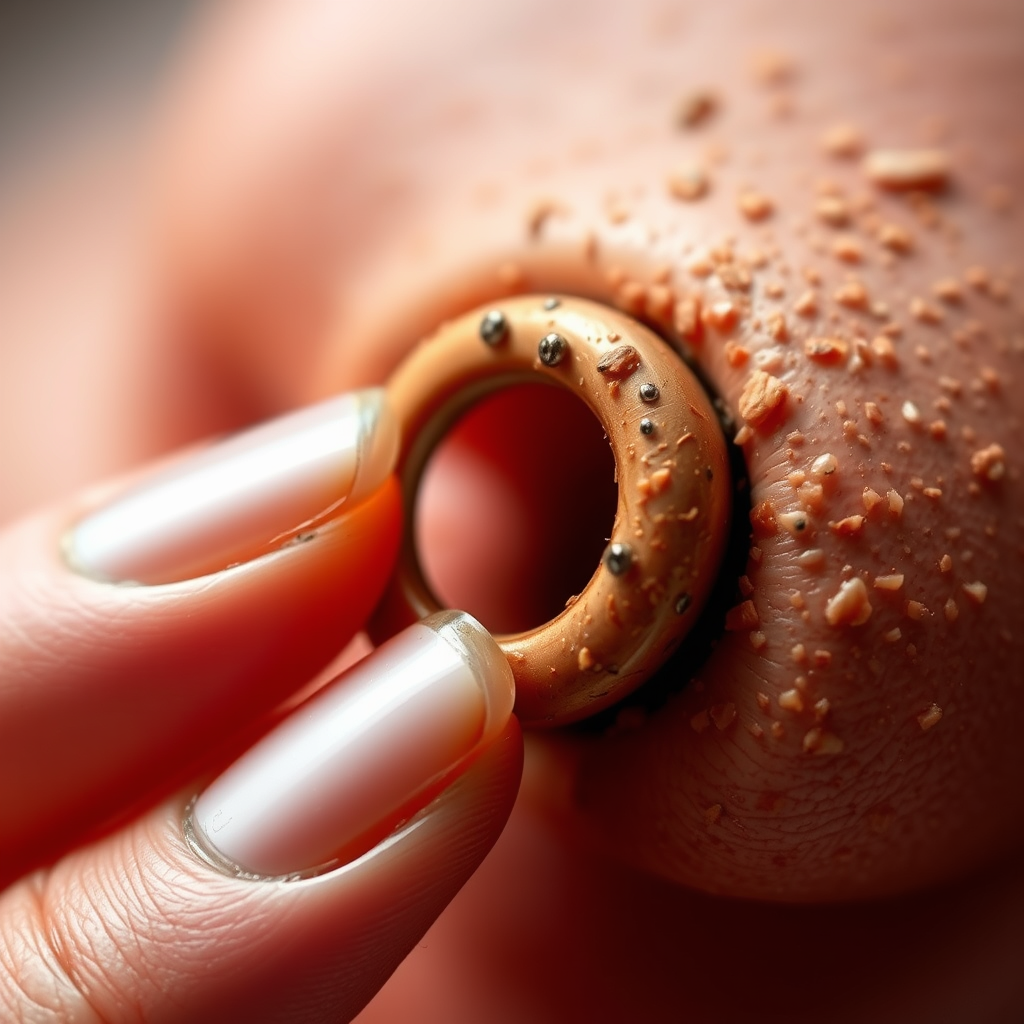
Once you have gathered your supplies, the next step is to prepare both the nose ring and the area around your piercing. Begin by disinfecting the screw nose ring itself. Use rubbing alcohol or a specialized jewelry cleaner to wipe down the ring, paying special attention to the threaded section. This ensures that any contaminants or bacteria are removed before insertion.
After disinfecting the jewelry, take a moment to clean the area around your piercing. Using a saline solution, gently clean the skin surrounding the nose piercing. This step is crucial as it reduces the likelihood of infection and promotes healing, particularly if the piercing is new. Allow the area to dry completely before proceeding.
Inserting the Screw Nose Ring
With everything prepared, it’s time to insert the screw nose ring. Begin by holding the ring by its base, ensuring a firm grip. Gently insert the threaded end into your piercing, taking care not to apply too much pressure. The goal is to slide it in smoothly without forcing it, as this could cause unnecessary pain or irritation.
Once the threaded end is inside the piercing, carefully twist the ring clockwise. This action should feel natural, and you should notice it starting to secure itself in place. If you encounter resistance, stop and reassess; forcing the ring can lead to complications. It’s essential to listen to your body and ensure that the process is comfortable.
Securing the Nose Ring
After successfully inserting the screw nose ring, it’s time to secure it properly. Check that the ring feels snug against your nostril but not overly tight, allowing for some movement without discomfort. A well-fitted nose ring should feel secure without pinching or causing irritation to the surrounding skin.
If you find that the ring feels uncomfortable, do not hesitate to unscrew it slightly and reposition it. The goal is to achieve a comfortable fit that does not compromise the integrity of the piercing or cause unnecessary stress to your skin. Remember that the healing process may take some time, so being gentle during this phase is critical.
Aftercare Tips
Proper aftercare is vital for maintaining the health of your piercing and preventing infections. For the first few weeks, avoid touching or twisting the ring unnecessarily. This practice helps prevent irritation and allows your body to heal adequately around the new jewelry.Daily cleaning of the area around the piercing is recommended, using a saline solution or a diluted sea salt rinse. This practice will help remove any buildup of bacteria or debris that may accumulate over time. Additionally, refrain from engaging in activities that may expose your piercing to excessive moisture or irritation, such as swimming in pools or hot tubs until it has fully healed.
Troubleshooting Common Issues
Despite following all the steps carefully, you may encounter some common issues when inserting or wearing a screw nose ring. If you experience significant pain or bleeding after insertion, it is advisable to remove the ring immediately and consult a professional piercer. They can assess the situation and provide guidance on the best course of action.
Another common concern is the ring not staying secure in place. If this happens, double-check that the ring is properly threaded and that the threaded post is fully engaged. If the problem persists, consider trying a different size or style of nose ring that may better suit your piercing.
In summary, inserting a screw nose ring requires careful preparation and gentle handling to ensure a successful experience. By prioritizing hygiene and comfort, you can minimize the risk of complications and enjoy your new body jewelry. For those seeking further guidance or inspiration for different styles, visiting a professional piercer can provide invaluable support and insight into maintaining your piercings.
In conclusion, mastering the art of inserting a screw nose ring is not only about following the right steps but also about understanding the importance of aftercare and troubleshooting potential issues. By equipping yourself with the right knowledge and tools, you can ensure a smooth and enjoyable experience with your new piercing. Whether you are a first-time piercee or a seasoned jewelry wearer, following these guidelines will lead to a successful outcome and long-lasting satisfaction with your body art.
Frequently Asked Questions
How do I properly insert a screw nose ring?
To insert a screw nose ring, start by holding the ring at its base and gently inserting the post into the piercing hole. Ensure that the threaded end of the ring is aligned with the hole, then twist it clockwise until it feels secure. Be cautious not to force it if you encounter resistance, as this could cause irritation or injury to your piercing.
What should I do if my screw nose ring is stuck?
If your screw nose ring is stuck, avoid pulling or yanking on it, as this can cause pain or damage to your piercing. Instead, try to gently twist the ring in both directions to see if it loosens. If it remains stuck, consider applying a drop of lubricant, like a saline solution, to help ease it out, or consult a professional piercer for assistance.
Why is my screw nose ring causing irritation?
Irritation from a screw nose ring can occur due to several reasons, such as improper insertion, sensitivity to metal, or an allergic reaction. To minimize irritation, ensure that the ring is made of hypoallergenic materials like titanium or surgical steel, and avoid changing your jewelry too soon after getting your piercing. If irritation persists, it’s best to consult with a professional piercer or healthcare provider.
What is the best way to clean my screw nose ring?
The best way to clean your screw nose ring is to use a saline solution or a gentle antiseptic solution recommended by your piercer. Clean the area around the piercing daily, using a cotton ball or swab to apply the solution carefully. Avoid using alcohol or hydrogen peroxide, as these can be too harsh and may delay healing.
Which type of screw nose ring is best for sensitive skin?
For sensitive skin, the best type of screw nose ring is one made from medical-grade materials, such as titanium, niobium, or surgical stainless steel. These materials are less likely to cause allergic reactions and are more biocompatible, making them ideal for new or sensitive piercings. Always check for the quality and gauge of the jewelry to ensure comfort and safety.
References
- https://en.wikipedia.org/wiki/Nose_piercing
- https://www.ncbi.nlm.nih.gov/pmc/articles/PMC5810514/
- https://www.healthline.com/health/nose-piercing-care
- https://www.verywellhealth.com/nose-piercing-aftercare-5072587
- https://www.medicalnewstoday.com/articles/nose-piercing-care-tips
- https://www.webmd.com/beauty/features/piercings-what-to-know