The smallest gauge for a nose ring is typically 20 gauge (0.8 mm) or sometimes 22 gauge (0.6 mm) for more delicate piercings. Selecting the right gauge is crucial not only for aesthetic appeal but also for the healing process and comfort. In this article, we will explore the various sizes of nose rings, their implications for healing, and essential considerations to make when choosing the right size for your piercing.
Understanding Gauge Sizes

Gauge sizes refer to the thickness of body jewelry, and it operates on a unique scale: the higher the gauge number, the thinner the jewelry. For nose piercings, the most common gauges range from 20 to 16, with 20 gauge being the most popular for initial piercings. A 20 gauge piece measures about 0.8 mm, while a 16 gauge (1.2 mm) is thicker and often used for those who want a more substantial look or have previously healed piercings.
When considering a nose ring, it’s essential to understand that a smaller gauge can provide a delicate aesthetic, but it may also pose challenges during the healing process. In addition, the choice of gauge can impact comfort levels, particularly if you have sensitive skin or if your piercing is still in the healing phase. Ultimately, gauge size is a balancing act between style and practicality, and it’s essential to consider your unique preferences and anatomical features.
Healing and Aftercare Implications

Choosing a smaller gauge, such as 22, can be less invasive and aesthetically pleasing, especially for those seeking a minimalist look. However, these smaller gauges often require careful handling to avoid irritation or complications during the healing process. Smaller jewelry can sometimes shift more easily, potentially leading to discomfort or even migration of the piercing.
Regardless of the gauge size, proper aftercare is critical to facilitate healing. This includes cleaning the area with saline solution or a recommended antiseptic, avoiding touching the piercing with unwashed hands, and steering clear of harsh chemicals or fragrances that could irritate the skin. Following these guidelines will not only help reduce the risk of infection but also promote faster healing, making it easier to transition to different styles or sizes later on.
Choosing the Right Size for Your Piercing
When selecting the right gauge size for your nose piercing, consider several factors, including your anatomy, lifestyle, and personal style. If you have thicker nasal tissue or if you are prone to irritation, it may be beneficial to opt for a larger gauge, such as 18 or 16. Conversely, if you prefer a more delicate appearance and have healthy skin that usually heals well, a 20 or even 22 gauge may be appropriate.
Consulting with a professional piercer is crucial in this decision-making process. Experienced piercers can provide personalized recommendations based on your individual anatomy and desired aesthetic. They can also help you understand how to care for your piercing and choose jewelry that aligns with your lifestyle, ensuring a positive experience and a lower risk of complications.
Materials That Accommodate Smaller Gauges
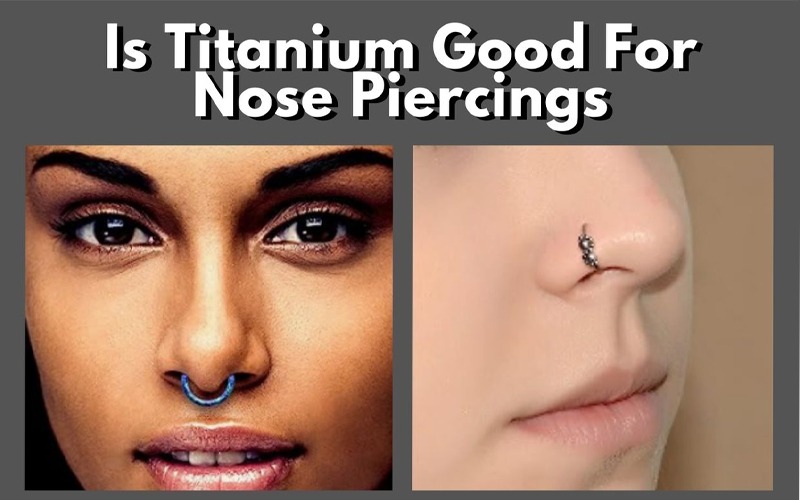
When it comes to nose rings, the material of the jewelry plays a significant role in both comfort and healing. Biocompatible materials, such as titanium or surgical stainless steel, are ideal for sensitive skin and are typically recommended for initial piercings. These materials are less likely to cause allergic reactions, making them suitable for individuals with sensitivities.
On the other hand, inexpensive or low-quality metals can cause irritation, leading to allergic reactions or infections. Jewelry made from nickel or other alloys should be avoided, particularly during the healing phase, as they can trigger adverse reactions. Always opt for high-quality materials to ensure the best possible outcome for your piercing.
Transitioning to Smaller Gauges
If you are considering downsizing your nose ring to a smaller gauge, it is essential to understand that this may require a careful and gradual process. Stretching your piercing should never be done hastily, as it can lead to tearing or other complications. Instead, consult with a professional piercer who can guide you through safe downsizing techniques.
In some cases, you may need to wait until your piercing is fully healed before transitioning to a smaller gauge. This time frame can vary depending on individual healing rates, so patience is key. Once your piercing is ready, a professional can help you select the right size and style that suits your aesthetic preferences while ensuring continued comfort.
Popular Styles for Small Gauge Nose Rings
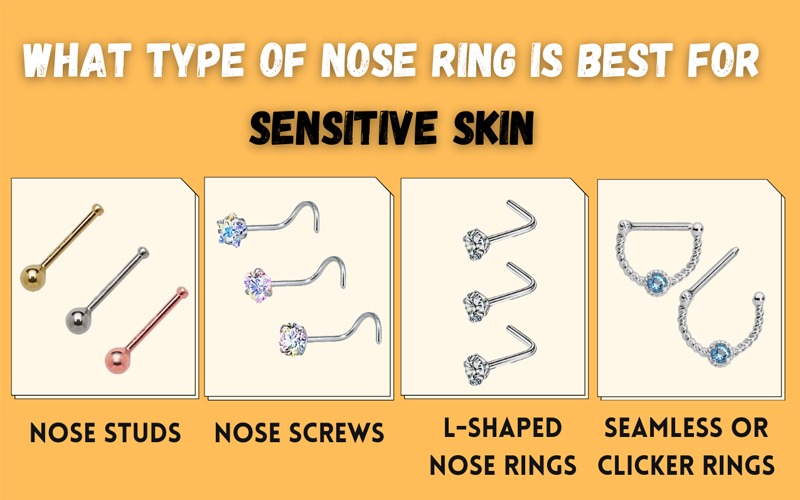
Nose rings come in a variety of styles that cater to smaller gauges, including studs, hoops, and L-shaped pins. Studs are a classic choice for those looking for a minimalist design, while hoops can add a touch of elegance to your look. L-shaped pins offer a secure fit and are easy to insert, making them a popular option for those with healing piercings.
Personal preference and comfort play a significant role in style selection. Some individuals may prefer the subtlety of a small stud, while others may opt for a more eye-catching hoop. Ultimately, the choice should resonate with your style while also considering the practicality of your daily activities and how your jewelry interacts with your lifestyle.
Common Questions About Nose Ring Gauges
As you explore the world of nose rings, you may have several questions regarding gauge sizes. One common inquiry is whether you can use a smaller gauge after your piercing has healed. The answer is generally yes, but it is essential to consult with a professional piercer. They can assess your piercing’s condition and guide you on the safest way to transition.
Another frequent question concerns the risks associated with smaller gauges. While smaller gauges can provide a delicate appearance, they may also be more prone to irritation or shifting. It is vital to monitor your piercing closely and ensure proper aftercare to mitigate potential risks.
In addressing these questions, it’s important to provide clear and informative answers that empower readers to make informed decisions about their nose piercings.
Summarizing the key points, the smallest gauge for a nose ring generally starts at 20 gauge, with 22 gauge being an option for more delicate preferences. When choosing a size, consider your healing needs, material compatibility, and personal style. For more personalized advice, don’t hesitate to consult a professional piercer to ensure the best experience for your nose piercing. By understanding the implications of gauge sizes and adhering to proper care guidelines, you can enjoy a beautiful and healthy nose piercing that reflects your individuality.
Frequently Asked Questions
What is the smallest gauge nose ring available?
The smallest gauge nose ring typically available is 20 gauge (0.8 mm), but some brands may offer even finer options like 22 gauge (0.6 mm). When choosing a nose ring, it’s essential to consider your piercing’s healing stage and comfort, as smaller gauges can be harder to insert and may not be suitable for all piercings.
How do I determine what gauge my current nose ring is?
To determine the gauge of your current nose ring, you can use a gauge measuring tool, which is specifically designed for this purpose. Alternatively, you can compare your ring to a standard size chart, which provides measurements for common gauges. Remember that a smaller gauge number indicates a thicker piece of jewelry, so if you have a 20 gauge ring, it will be thicker than a 22 gauge ring.
Why should I choose a smaller gauge for my nose ring?
Choosing a smaller gauge for your nose ring can have several benefits, especially if you prefer a more discreet look or have a sensitive piercing. Smaller gauges can help minimize the visibility of the jewelry while still allowing for individual expression. However, it’s crucial to ensure that your piercing can accommodate a smaller gauge without risking irritation or damage.
What is the best material for a small gauge nose ring?
The best materials for a small gauge nose ring include surgical stainless steel, titanium, and gold. These materials are hypoallergenic, durable, and safe for sensitive skin, making them ideal choices for new or healed piercings. It’s essential to avoid cheaper metals, as they can cause allergic reactions or infections, especially in smaller gauges.
Which styles of nose rings are available in smaller gauges?
Many styles of nose rings are available in smaller gauges, including studs, hoops, and septum rings. Popular designs for 20 gauge and 22 gauge rings include simple ball studs, gemstone accents, and minimalist hoops. When selecting a style, consider your personal aesthetic, comfort, and the healing stage of your piercing to ensure the best fit.
References
- Nose ring
- https://www.medicalnewstoday.com/articles/what-is-the-smallest-nose-ring-gauge
- https://www.plasticsurgery.org/news/blog/what-to-know-about-nose-piercings
- https://www.ncbi.nlm.nih.gov/pmc/articles/PMC5486110/
- https://www.healthline.com/health/nose-piercing-gauge-size
- https://www.verywellhealth.com/nose-piercing-5076303