Wearing nose rings is a popular form of self-expression that reflects individuality, cultural traditions, and contemporary fashion trends. Individuals choose to wear nose rings for a variety of reasons, including personal style, cultural significance, and social influences. This article delves into the motivations behind this trend and its broader implications, examining the cultural roots, fashion statements, personal identity, social influences, health considerations, and the diverse styles available in nose jewelry.
Cultural Significance

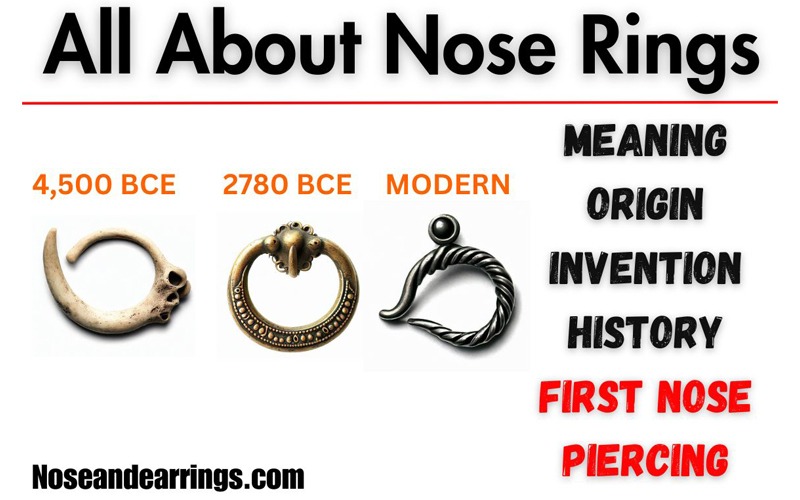
Nose rings carry profound cultural significance across the globe, particularly in South Asia, where they have been a traditional adornment for centuries. In countries like India, a nose ring, or “nath,” is often associated with marriage and femininity, symbolizing a woman’s marital status and social identity. In many cases, these rings are intricately designed and can be made from precious metals and adorned with gemstones, adding not only aesthetic value but also cultural weight to the piece of jewelry.
Moreover, Indigenous cultures also incorporate nose piercings as part of their identity and rites of passage. For instance, in some Native American communities, nose piercings can signify bravery or serve as a rite of initiation into adulthood. This rich tapestry of cultural meanings demonstrates that nose rings are more than just accessories; they are deeply embedded in the social fabric of various communities, reflecting beliefs, traditions, and values.
Fashion Statement

In contemporary society, nose rings have evolved into a bold fashion accessory that can significantly enhance one’s overall look. They are available in numerous styles, materials, and designs, making them versatile enough to suit a wide array of personal aesthetics. Many wearers use nose rings to make a statement or to stand out in a crowd—especially among younger generations who are keen to express their individuality through unique fashion choices.
The rise of nose rings as a fashion trend can be attributed to various influences, including runway shows, celebrity endorsements, and social media platforms. Influencers and fashion icons often showcase nose rings in their styles, prompting fans to emulate their looks. This trend is evident in how quickly certain designs can gain popularity, sometimes even becoming a must-have accessory for specific seasons or events.
Self-Expression and Identity
For many individuals, wearing a nose ring is a vital form of self-expression that communicates their personality, beliefs, and values. It allows them to showcase their uniqueness and differentiate themselves from societal norms. The act of adorning the body with jewelry—such as a nose ring—can be a powerful assertion of identity, particularly for those who might feel marginalized or constrained by conventional standards of beauty.
In some cases, a nose ring may symbolize rebellion against traditional expectations. For example, individuals from conservative backgrounds may choose to wear a nose ring as a way to assert their independence and challenge societal norms. This act can be liberating for many, providing them with a sense of empowerment and a visible marker of their personal journey.
Social Influences and Trends
The popularity of nose rings has been significantly amplified by social influences, particularly through celebrity culture and social media. Celebrities such as Rihanna, Kylie Jenner, and various fashion-forward influencers have popularized nose rings, introducing them to diverse audiences. Their visibility in mainstream culture has encouraged many to adopt this trend, often driven by the desire to fit in or emulate admired figures.
Moreover, the rise of social media platforms like Instagram and TikTok has created an environment where trends can spread rapidly. Users often share their unique styles, leading to a collective movement towards adopting similar accessories. Peer pressure can also play a role, with individuals feeling compelled to wear nose rings to align with their social circles or communities, further reinforcing the trend.
Health and Safety Considerations
While nose piercings are generally considered safe, it is essential to approach the process with caution and awareness of potential health risks. Proper aftercare is crucial to prevent infections or complications, such as keloids or allergic reactions. Health professionals recommend consulting a licensed piercer who uses sterilized equipment and safe materials, as this can significantly reduce the risk of adverse effects.
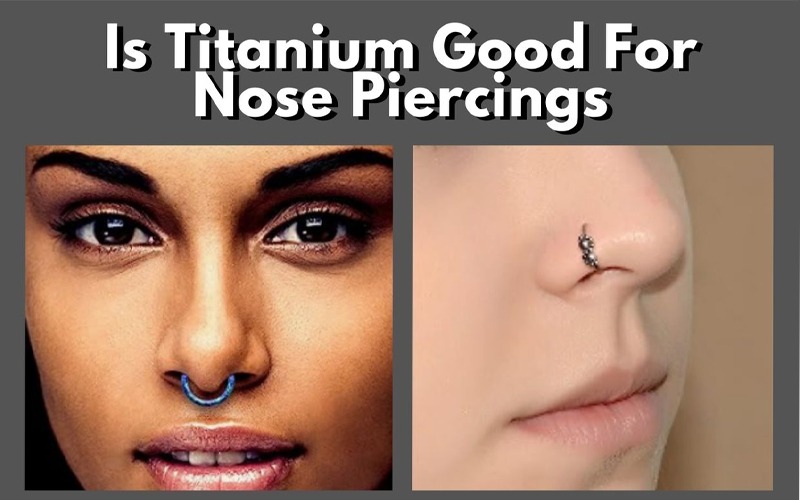
Furthermore, understanding the potential risks associated with different materials is vital. For example, some individuals may have sensitivities to certain metals, such as nickel, which can lead to allergic reactions. Opting for hypoallergenic materials like titanium or surgical steel can mitigate these risks. By being informed about the health implications of nose piercings, individuals can make educated decisions that ensure their safety and comfort.
Variations in Styles
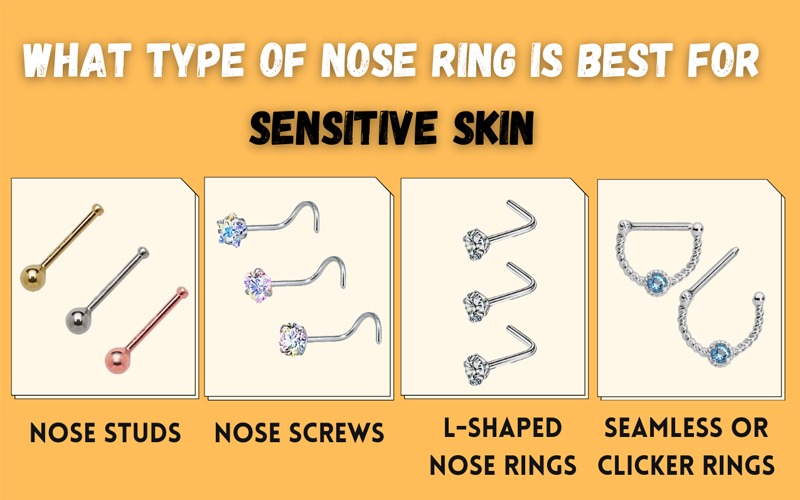
The world of nose rings offers a plethora of styles, catering to diverse tastes and preferences. From subtle studs to bold hoops and septum rings, each design brings its own aesthetic appeal. Studs, often favored for their understated elegance, can be adorned with gemstones or intricate designs, making them versatile for everyday wear or special occasions. Hoops, on the other hand, can add a more dramatic flair, appealing to those who wish to make a bolder statement.
Septum rings have also gained popularity in recent years, often seen as a symbol of counterculture or alternative fashion. Each style can reflect the wearer’s personality and can be chosen based on comfort, aesthetic preference, and the context in which the jewelry will be worn. Additionally, the ability to mix and match styles allows individuals to express their creativity and adapt their look as they see fit.
Wearing a nose ring is a multifaceted choice that transcends mere decoration. It can reflect deep-rooted cultural values, serve as a bold fashion statement, and represent personal identity and self-expression. By understanding the various motivations behind this trend, individuals can appreciate its significance and make informed decisions about their body art. Whether one is contemplating getting a nose ring or merely intrigued by the trend, embracing the diversity of personal expression remains a crucial aspect of contemporary fashion and culture.
Frequently Asked Questions
Why do people wear nose rings?
People wear nose rings for a variety of reasons, including cultural significance, personal expression, and fashion trends. In many cultures, nose piercings symbolize identity, marital status, or spirituality. Additionally, nose rings have become a popular fashion accessory, allowing individuals to showcase their unique style and personality.
What are the different types of nose rings available?
There are several types of nose rings, including studs, hoops, and septum rings. Nose studs are small and discreet, making them suitable for everyday wear, while hoop nose rings offer a bolder look. Septum rings, which go through the cartilage of the nose, have gained popularity for their edgy appearance. Each type comes in various materials and designs, allowing for personal customization.
How do you take care of a new nose ring piercing?
Proper care of a new nose ring piercing is essential for preventing infection and ensuring healing. It’s important to clean the piercing twice a day with a saline solution or a gentle antiseptic recommended by a professional piercer. Avoid touching the piercing with dirty hands, and refrain from changing the jewelry until it has completely healed, which typically takes about 6 to 8 weeks.
What are the potential risks of wearing a nose ring?
Wearing a nose ring can come with potential risks, including infection, allergic reactions, and scarring. If not cared for properly, piercings can become infected, leading to pain and complications. Additionally, some individuals may experience allergic reactions to certain metals, such as nickel, so it’s best to choose high-quality materials like surgical stainless steel or titanium for your nose jewelry.
Which materials are best for nose rings?
The best materials for nose rings include surgical stainless steel, titanium, gold, and niobium. Surgical stainless steel is a popular choice due to its durability and hypoallergenic properties, making it suitable for most skin types. Titanium is another excellent option that is lightweight and corrosion-resistant, while gold provides a classic look, though it’s essential to choose solid gold or higher karat gold to avoid allergic reactions.