Wearing nose rings is a practice that encompasses cultural significance, personal expression, and evolving fashion trends. This adornment has deep historical roots in various cultures, especially in South Asia and the Middle East, where it often symbolizes marital status or cultural identity. Furthermore, as fashion trends evolve, nose rings have become a way for women to express their individuality and personal style while also carrying spiritual or symbolic meanings. This article delves into the multifaceted reasons behind the popularity of nose rings among women, exploring cultural traditions, personal motivations, and the contemporary fashion landscape.
Cultural Significance of Nose Rings

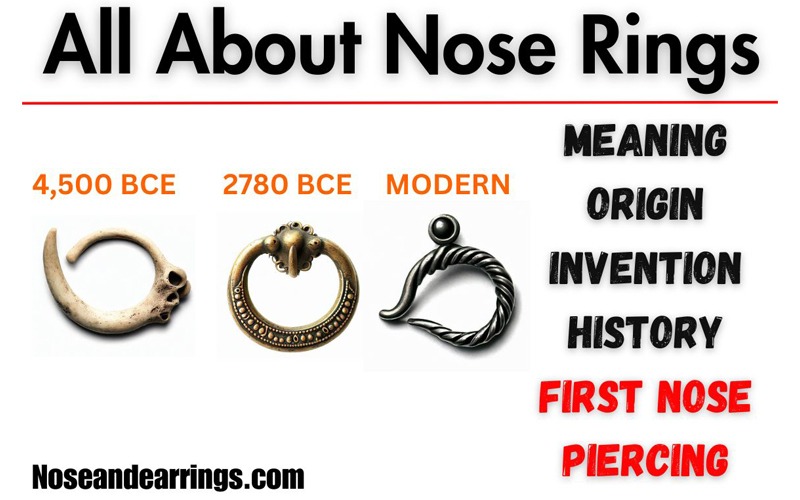
Nose rings hold profound cultural significance, particularly in regions such as South Asia and the Middle East. In many Indian communities, for instance, the nose ring, or “nath,” is traditionally worn by married women, symbolizing their marital status. This practice dates back centuries and is often accompanied by ceremonial rituals, highlighting its importance as a cultural artifact. Additionally, in some cultures, the left side of the nose is specifically pierced, a belief rooted in the idea that it can ease childbirth and enhance fertility. This practice is not only a fashion choice but is also intertwined with cultural heritage and ancestral beliefs, making it a significant aspect of identity for many women.
Beyond South Asia, nose rings are also found in various indigenous cultures worldwide, where they can signify different rites of passage, social status, or even spiritual beliefs. For example, in some African tribes, nose piercings are part of elaborate ceremonial practices that mark a woman’s transition into adulthood. Such variations across cultures underscore the diverse meanings associated with nose rings, illustrating how this body modification transcends mere aesthetics to embody cultural narratives.
Personal Expression and Identity

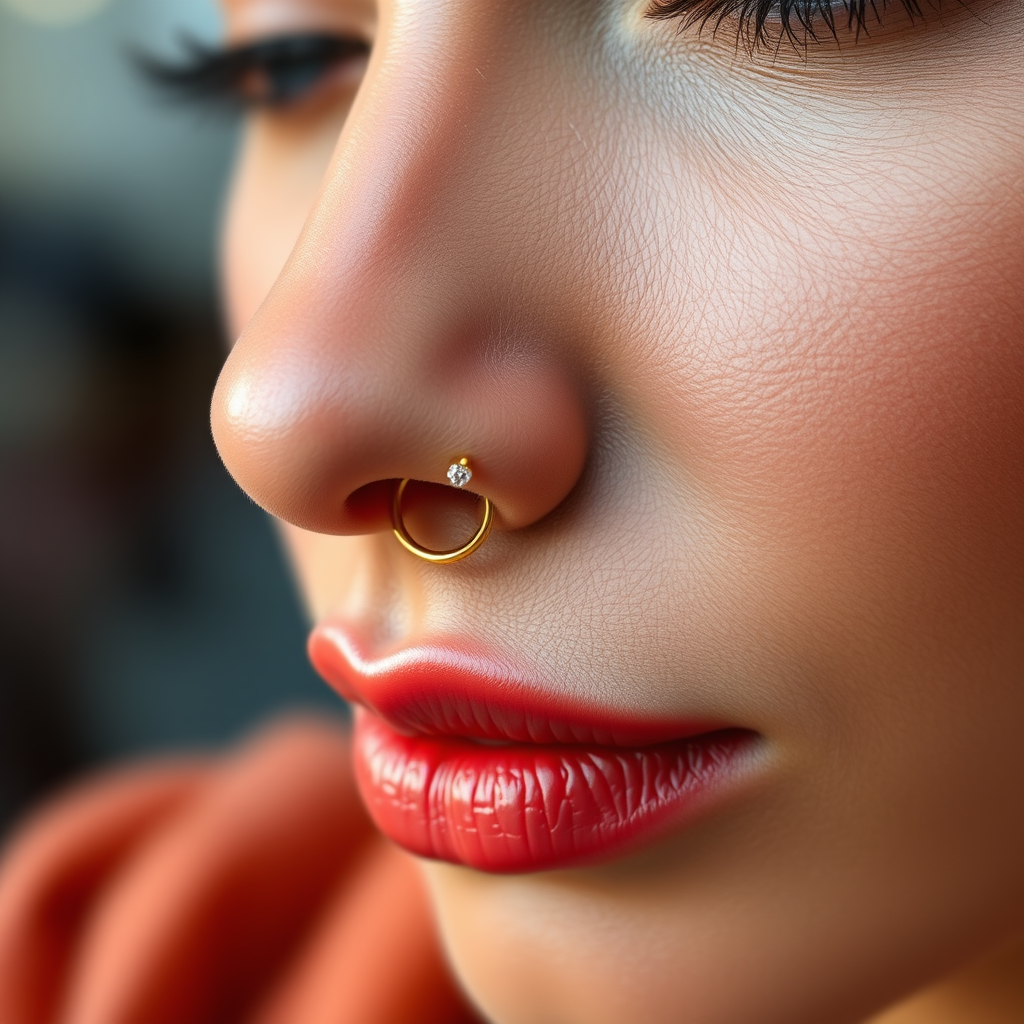
For many women, nose rings serve as a powerful form of self-expression, allowing them to showcase their individuality and personal style. The choice of jewelry can vary widely, from minimalist studs to more elaborate hoops adorned with gemstones. This spectrum of options enables women to curate their aesthetic and communicate aspects of their personality through their choice of body jewelry.
Moreover, the rise of social media platforms has played a significant role in the popularization of nose rings as a fashion statement. Influencers and celebrities often flaunt unique nose ring styles, inspiring their followers to adopt similar looks. This trend has led to a diversification of designs and materials available in the market, making nose rings more accessible to a broader audience. Women who wear nose rings may also connect with communities that celebrate body modifications, further enhancing their sense of belonging and identity.
The act of wearing a nose ring can also be a form of rebellion against traditional beauty norms. Many women choose to get pierced as a statement of independence or a way to defy societal expectations, reflecting a broader movement towards embracing personal authenticity. In this context, nose rings become not just an accessory but a symbol of empowerment and individuality.
Fashion Trends and Influences
The evolution of fashion has seen nose rings transition from cultural staples to mainstream accessories. This shift can be attributed to various influences, including celebrity endorsements and the rise of street style. Prominent figures in pop culture have embraced nose rings, further embedding them into contemporary fashion. Artists, musicians, and actors often wear nose rings, elevating them beyond cultural origins to a universal trend.
Social media has also played a critical role in shaping fashion trends, with platforms like Instagram and TikTok serving as arenas for showcasing innovative styling. Hashtags such as #NoseRing and #BodyJewelry have cultivated communities where users share their unique styles and inspirations, effectively normalizing nose rings in diverse settings. As a result, the availability of various styles—ranging from delicate, understated designs to bold statement pieces—has increased, allowing women from different backgrounds to find pieces that resonate with their personal aesthetics.
Additionally, the acceptance of body modifications in mainstream fashion has paved the way for nose rings to be worn in professional and casual settings alike. This cultural shift underscores a growing appreciation for diverse forms of self-expression, reflecting a broader trend towards inclusivity in fashion.
Spiritual and Symbolic Meanings
In addition to cultural and personal significance, nose rings can also hold spiritual meanings for many women. Some view the act of piercing as a rite of passage or a personal transformation, marking significant life changes or milestones. In certain spiritual practices, wearing a nose ring can symbolize protection, healing, or connection to one’s inner self.
For instance, in some Ayurvedic traditions, it is believed that piercing the left nostril can enhance the flow of energy in the body, promoting overall well-being. This belief system intertwines the physical act of wearing a nose ring with metaphysical implications, further enriching its significance.
Women who incorporate nose rings into their spiritual practices often choose specific materials or designs that resonate with their beliefs. For example, using gemstones believed to carry healing properties, such as turquoise or amethyst, can enhance the spiritual connection associated with the piercing. This added layer of meaning makes nose rings not only a fashion accessory but also a deeply personal symbol of one’s journey and beliefs.
Health and Safety Considerations
While nose piercing is generally safe, it is essential for individuals to prioritize health and safety throughout the process. Choosing a professional piercer with a reputable background is crucial to minimize the risk of infections and complications. Certified piercers adhere to strict hygiene standards, utilizing sterile equipment and techniques to ensure a safe experience.
Aftercare is equally important in preventing infections and ensuring proper healing. Women should follow the aftercare guidelines provided by their piercer, which typically include cleaning the area with saline solution and avoiding touching or twisting the jewelry. Understanding the anatomy of the nose can also help individuals make informed decisions about the placement and type of jewelry, reducing the likelihood of complications.
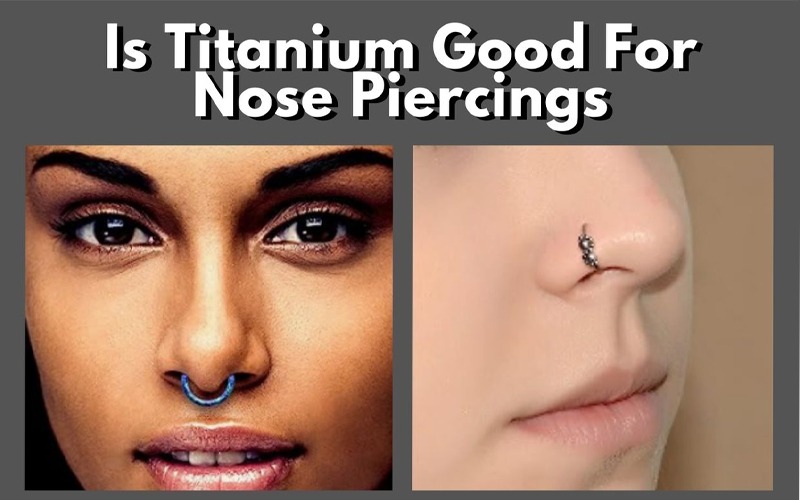
It is also worth noting that some individuals may experience allergies or sensitivities to specific metals used in nose rings, such as nickel. Opting for hypoallergenic materials, such as surgical stainless steel or titanium, can mitigate these risks and promote a more comfortable wearing experience.
DIY vs. Professional Piercing
The allure of DIY nose piercing may tempt some individuals, especially given the rise of online tutorials and home kits. However, the risks associated with DIY piercing can lead to complications such as infections, scarring, and improper healing. Unlike professional piercers, who possess the knowledge and skills to execute the procedure safely, inexperienced individuals may lack the understanding of necessary techniques and hygiene practices.
Professional piercers not only provide expertise but also create a sterile environment that significantly reduces health risks. They can guide clients in selecting the appropriate jewelry and placement, ensuring a successful piercing experience. Additionally, professional piercers are equipped to address any complications that may arise, providing valuable aftercare advice and support.
For those considering a nose ring, opting for a professional piercing is a prudent choice that prioritizes health and safety while ensuring a positive experience.
The Future of Nose Rings in Fashion
As fashion continues to evolve, nose rings are likely to remain a staple accessory, adapting to new styles and trends. The ongoing acceptance of diverse body modifications suggests that nose rings will continue to be embraced across different demographics, transcending cultural boundaries.
Emerging designers and jewelry brands are increasingly incorporating nose rings into their collections, experimenting with innovative designs and materials. This evolution is reflective of a broader trend towards inclusivity in fashion, where personal expression is celebrated and encouraged.
Furthermore, as societal perceptions of body modifications continue to shift, nose rings may become even more mainstream, with potential opportunities for collaboration between traditional artisans and contemporary fashion houses. This fusion of cultural heritage and modern design could further enhance the significance of nose rings, creating a rich tapestry of styles that resonate with women across the globe.
In essence, the future of nose rings in fashion appears bright, characterized by continued innovation and a deepening appreciation for the diverse meanings they carry.
Wearing nose rings is a multifaceted practice that combines cultural heritage, personal identity, and contemporary fashion. As trends evolve, they remain a powerful form of expression for women everywhere. If you’re considering getting a nose ring or want to learn more about their significance, explore local jewelry shops or consult with professionals in the piercing community. The journey of wearing a nose ring is not just about the accessory itself; it is a reflection of personal stories, cultural narratives, and evolving societal norms.
Frequently Asked Questions
Why do women choose to wear nose rings?
Women wear nose rings for various reasons, including cultural significance, personal expression, and fashion trends. In many cultures, such as in India, nose rings symbolize marital status and are part of traditional attire. In contemporary settings, nose rings serve as a bold fashion statement, allowing individuals to showcase their unique style and personality.
How do I choose the right nose ring for my face shape?
Choosing the right nose ring can enhance your facial features and complement your overall look. For round faces, larger, more angular designs can create contrast, while delicate studs suit oval faces. It’s also important to consider the size and shape of the ring in relation to your nose size, as well as your personal style preferences.
What are the different types of nose rings available?
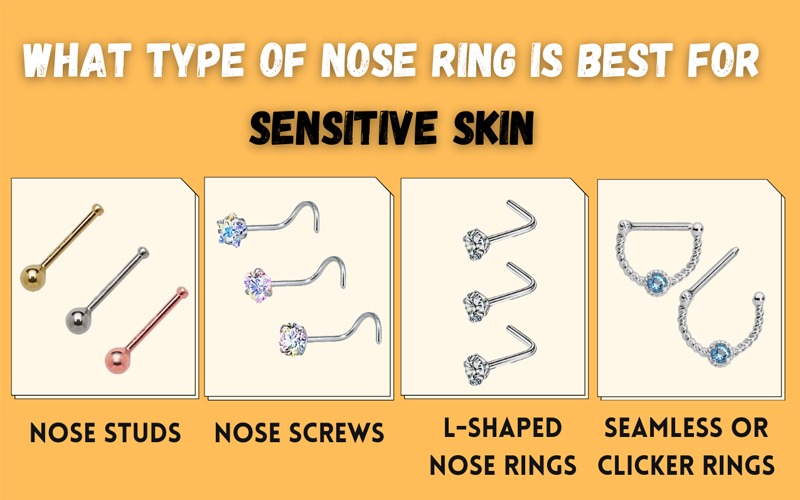
There are several types of nose rings, including studs, hoops, and septum rings. Studs are versatile and can be discreet or decorative, while hoops range from small and subtle to large and bold. Septum rings, worn through the cartilage, offer a more edgy look and come in various styles, making it easy to find one that fits your personal aesthetic.
Why do women get their noses pierced in the first place?
Women get their noses pierced for various reasons, including cultural customs, self-expression, and beauty enhancement. In some cultures, nose piercings are seen as rites of passage or symbols of beauty, while others view them as a form of rebellion or individuality. Additionally, many women appreciate the aesthetic appeal and versatility that nose piercings offer in terms of accessorizing.
Which materials are best for nose rings to prevent irritation?
The best materials for nose rings to prevent irritation include surgical stainless steel, titanium, and gold. These materials are hypoallergenic and less likely to cause allergic reactions, making them ideal for sensitive skin. When selecting a nose ring, it’s crucial to choose high-quality materials to ensure comfort and minimize the risk of infection or irritation following the piercing.
References
- Nose piercing
- https://www.ncbi.nlm.nih.gov/pmc/articles/PMC4592513/
- https://www.bbc.com/culture/article/20170830-why-nose-piercings-are-more-popular-than-ever
- https://www.theguardian.com/fashion/2021/jul/08/the-nose-ring-is-back-and-better-than-ever
- https://www.huffpost.com/entry/nose-piercings-and-the-history-of-body-modification_n_5f2b2f58c5b6c028c134c2db
- https://www.mentalfloss.com/article/56942/why-do-people-get-nose-piercings
- https://www.sciencedirect.com/science/article/pii/S1877054721000561