Putting a nose ring back in can be a straightforward process if done correctly. To reinstate your nose jewelry safely, ensure you have clean hands and the right tools at hand, such as a mirror and a suitable lubricant. This article provides a step-by-step process for safely reinserting your nose ring, alongside practical tips to make the experience easier and more comfortable.
Gather Your Supplies

Before beginning the process of reinserting your nose ring, it’s essential to gather all necessary supplies to ensure a smooth experience.
– Clean hands: The first step in preventing infection is to wash your hands thoroughly with soap and warm water. This simple act will reduce the risk of introducing bacteria into your piercing, which is vital for maintaining the health of your piercing.
– Mirror: Using a well-lit mirror is crucial for better visibility. A small hand mirror or a bathroom mirror can work well, but ensure the area is well-lit. This will help you see the nostril and the piercing hole clearly, reducing the likelihood of mishaps.
– Lubrication: Consider using a saline solution or a gentle lubricant such as water-based gel. Applying a small amount of lubricant can help ease the insertion of the ring, minimizing friction and making the process more comfortable.
Prepare Your Nose
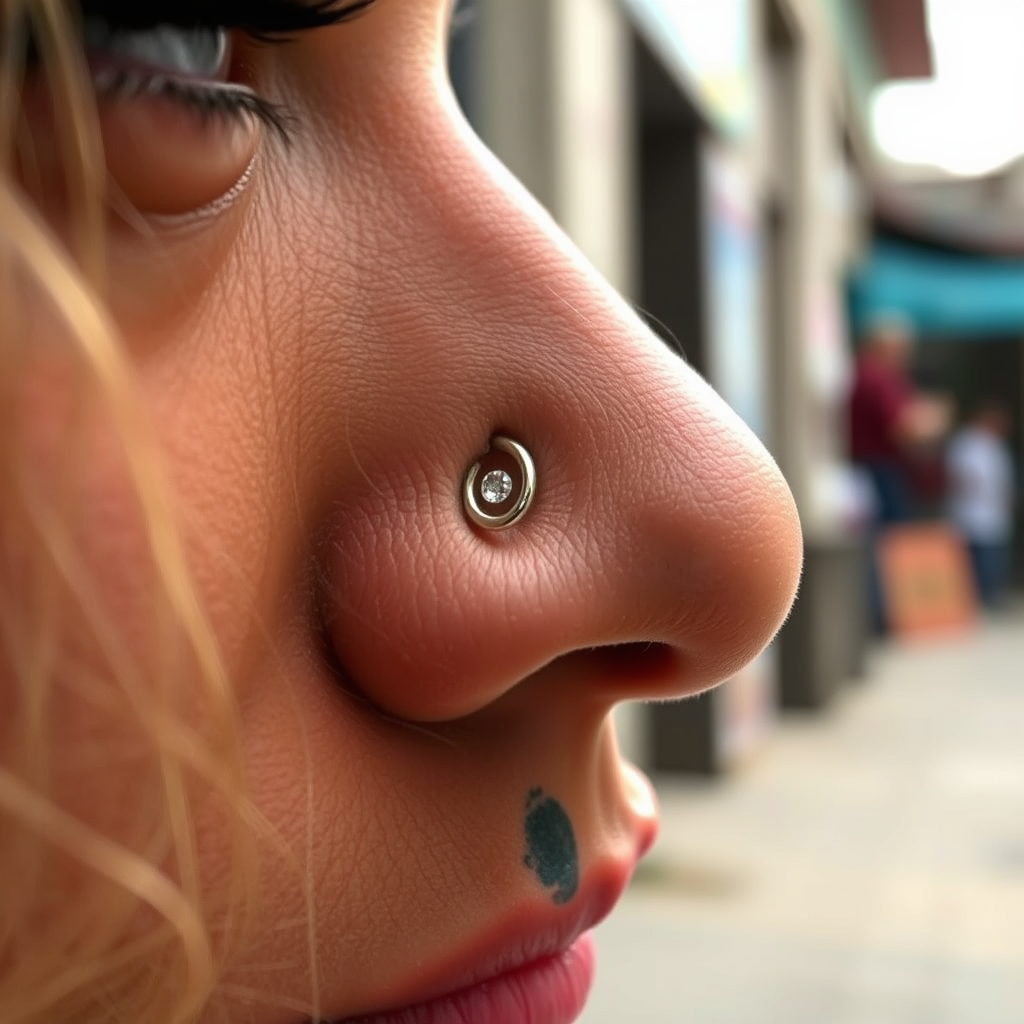
Taking the time to prepare your nostril properly is a critical step that can enhance your comfort and success when putting a nose ring back in.
– Clean the area: Use a saline solution or an alcohol wipe to cleanse the nostril where the ring will be reinserted. This helps to eliminate any residual bacteria and ensures the area is free of dirt or oils that could lead to infection.
– Check for irritation: Before proceeding, examine the piercing site for signs of swelling, redness, or irritation. If the area looks inflamed or feels tender, it may be best to wait a few days before attempting to reinsert the ring, as forcing it could lead to further irritation or pain.
Inserting the Nose Ring
When you’re ready to insert your nose ring, follow these steps to ensure a smooth and successful process.
– Positioning: Hold the ring at the end, ensuring that the sharp end is pointed towards the opening of your nostril. Angle the ring slightly towards the nostril opening for easier insertion. It’s often helpful to tilt your head slightly to the side to align the ring with the piercing hole.
– Gentle pressure: Apply gentle pressure as you guide the ring through the piercing hole. Do not force it; instead, allow it to slide in smoothly. If you encounter resistance, pause and adjust your angle or add a bit more lubricant to ease the process. Remember, patience is key, as rushing can lead to discomfort or injury.
Troubleshooting Common Issues
Even with the best preparation, issues can arise during the reinsertion of your nose ring. Here are some common problems and how to address them.
– If it won’t go in: If the ring doesn’t slide into the piercing hole, avoid forcing it. Instead, try rotating the ring slightly to find a more favorable angle. You might also apply a bit more lubricant to facilitate the insertion. If it still won’t go in, consider leaving it for a while and trying again later.
– Pain or discomfort: If you experience significant pain while attempting to insert the ring, stop immediately. This may indicate that the piercing is still healing or that you are incorrectly positioning the ring. Wait a few hours or even a day before trying again. It’s crucial to listen to your body; significant discomfort is often a sign to reassess the situation.
Aftercare for Your Piercing
Once you have successfully reintegrated your nose ring, maintaining proper aftercare is vital for ensuring the health of your piercing.
– Clean regularly: To prevent infections, clean the area surrounding your piercing with a saline solution daily. This helps to keep the area free of bacteria and promotes healing. Avoid using alcohol or hydrogen peroxide as these can be too harsh and may irritate the piercing.
– Avoid irritants: For the first few days after reinserting your nose ring, refrain from using makeup, harsh chemicals, and excessive touching of the piercing. Keeping the area clean and free from irritants will support healing and prevent complications.
When to Seek Professional Help
While many individuals can successfully reinsert their nose rings at home, certain situations necessitate the involvement of a professional.
– Signs of infection: Be vigilant for signs of infection, which include redness, pus, or excessive pain around the piercing. If you notice any of these symptoms, consult a professional piercer or a healthcare provider for advice and potential treatment. Early intervention can prevent more serious complications.
– Difficulty inserting: If you consistently struggle to put the nose ring back in, it may be time to consult with a professional piercer. They can provide expert guidance, ensure the piercing is healthy, and assist in reinserting the jewelry if necessary.
In summary, reinserting a nose ring can be a simple task when you follow the right steps and maintain a focus on cleanliness and comfort. Gather your supplies, prepare your nostril, and approach the insertion process with patience. Always be aware of your body and the state of your piercing, and don’t hesitate to seek professional help if needed. Remember, a healthy piercing is a happy piercing, so prioritize aftercare and hygiene to maintain your nose ring for years to come.
Frequently Asked Questions
How do I know if my nose piercing has closed up?
If you haven’t worn your nose ring for an extended period, you may find that the hole has closed up, especially within the first few weeks of initial piercing. Signs that your piercing has closed include difficulty inserting the jewelry, excessive resistance, or the absence of the hole altogether. If you suspect your piercing has closed, you can gently probe the area with a sterilized needle or the jewelry itself, but it’s best to consult a professional piercer for advice.
What tools do I need to put a nose ring back in?
To safely put a nose ring back in, you typically only need the jewelry itself, but having a few extra items can make the process easier and safer. A pair of clean tweezers can help you grip the jewelry, while saline solution or antiseptic wipes can ensure the area around your piercing is clean. Additionally, having a mirror handy will allow you to see the piercing clearly, making the insertion process smoother.
Why does my nose piercing hurt when I try to put the ring back in?
Pain when inserting a nose ring can occur for several reasons, including inflammation, irritation, or the piercing starting to close. If you’ve left the jewelry out for too long, the skin may have started to heal over the hole, making it difficult and painful to reinsert the ring. Always ensure that your hands and the jewelry are clean, and if pain persists or worsens, consider consulting a healthcare professional or a piercer for assistance.
What is the best way to put a nose ring back in without causing irritation?
The best way to put a nose ring back in safely is to start by cleaning both your hands and the jewelry with an antiseptic solution. Gently apply some saline solution to the piercing area to lubricate it, then carefully insert the nose ring at a slight angle instead of straight in, which can help minimize irritation. If you experience resistance, take your time and avoid forcing the jewelry, as this can lead to pain or infection.
Which type of nose ring is easiest to put back in?
The easiest type of nose ring to put back in is typically a stud with a flat back or a hoop with a seamless design, as they tend to have a more straightforward insertion process. Studs generally have a pointed end that can slide easily through the piercing, while seamless hoops can be gently opened and closed without the need for complicated clasps. Choose jewelry made from hypoallergenic materials like titanium or surgical steel to reduce the risk of irritation during insertion.
References
- https://www.ncbi.nlm.nih.gov/pmc/articles/PMC5809045/
- https://www.healthline.com/health/nose-piercing-care
- https://www.verywellhealth.com/how-to-care-for-nose-piercings-5113335
- https://www.hopkinsmedicine.org/health/conditions-and-diseases/piercings-and-your-health
- Stool color: When to worry – Mayo Clinic
- https://www.medicalnewstoday.com/articles/nose-piercing-care