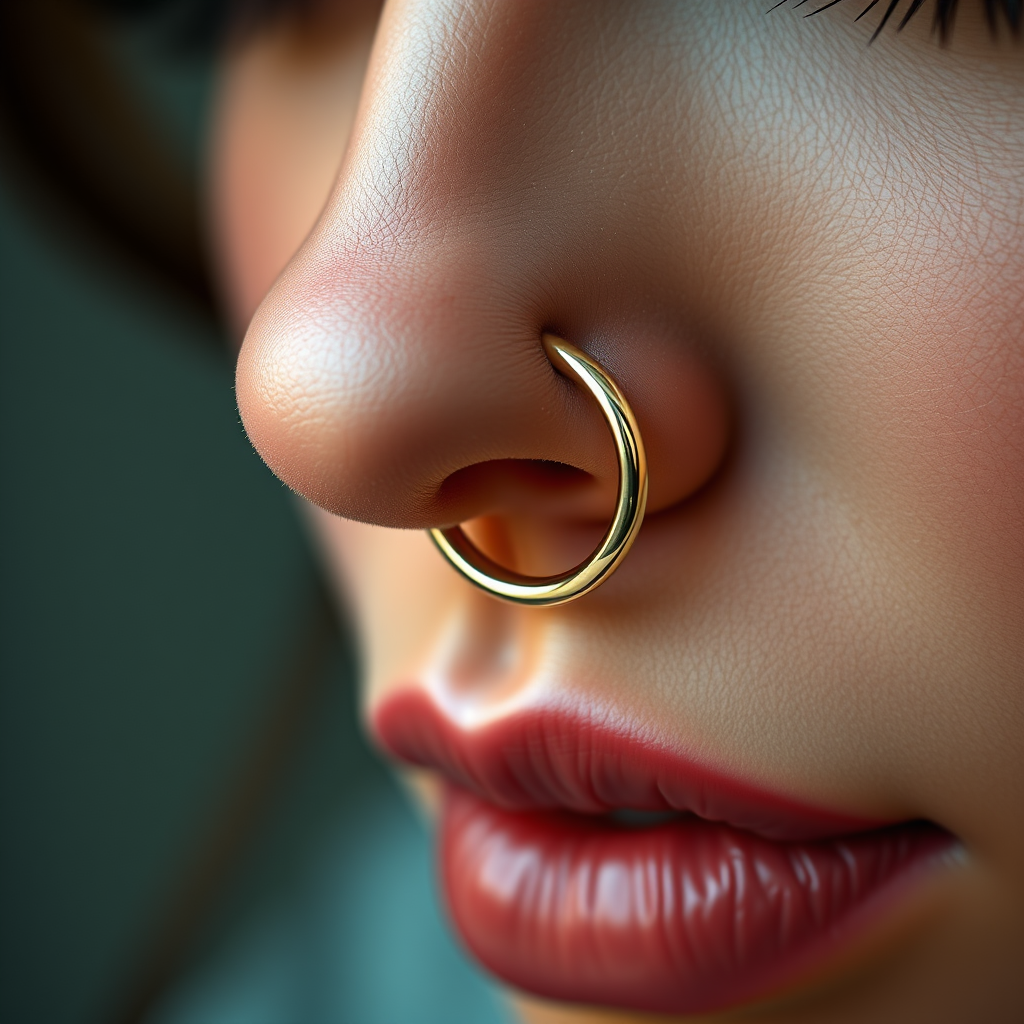
Putting on a hoop nose ring is a straightforward process that can be mastered with a little practice. By prioritizing hygiene and following specific steps, you can ensure that your hoop nose ring is securely and comfortably fitted. This article will guide you through each step, from preparation to securing the nose ring comfortably, while offering tips for maintenance and troubleshooting.
Preparing for the Process

Before you begin, it is crucial to prepare both yourself and the hoop nose ring. Start by washing your hands thoroughly with soap and water. This step is vital in preventing any potential infections that could arise from bacteria on your hands. After drying your hands, take the time to clean the hoop nose ring with an antiseptic solution, such as rubbing alcohol or a specialized piercing solution. This ensures that the jewelry is free from any contaminants, providing a safe environment for your piercing.
Additionally, find a well-lit and comfortable space to perform the procedure. A mirror can be very helpful during this process, as it will allow you to see exactly what you are doing. Some individuals may also benefit from using a pair of gloves for extra cleanliness, although this is not strictly necessary.
Choosing the Right Size
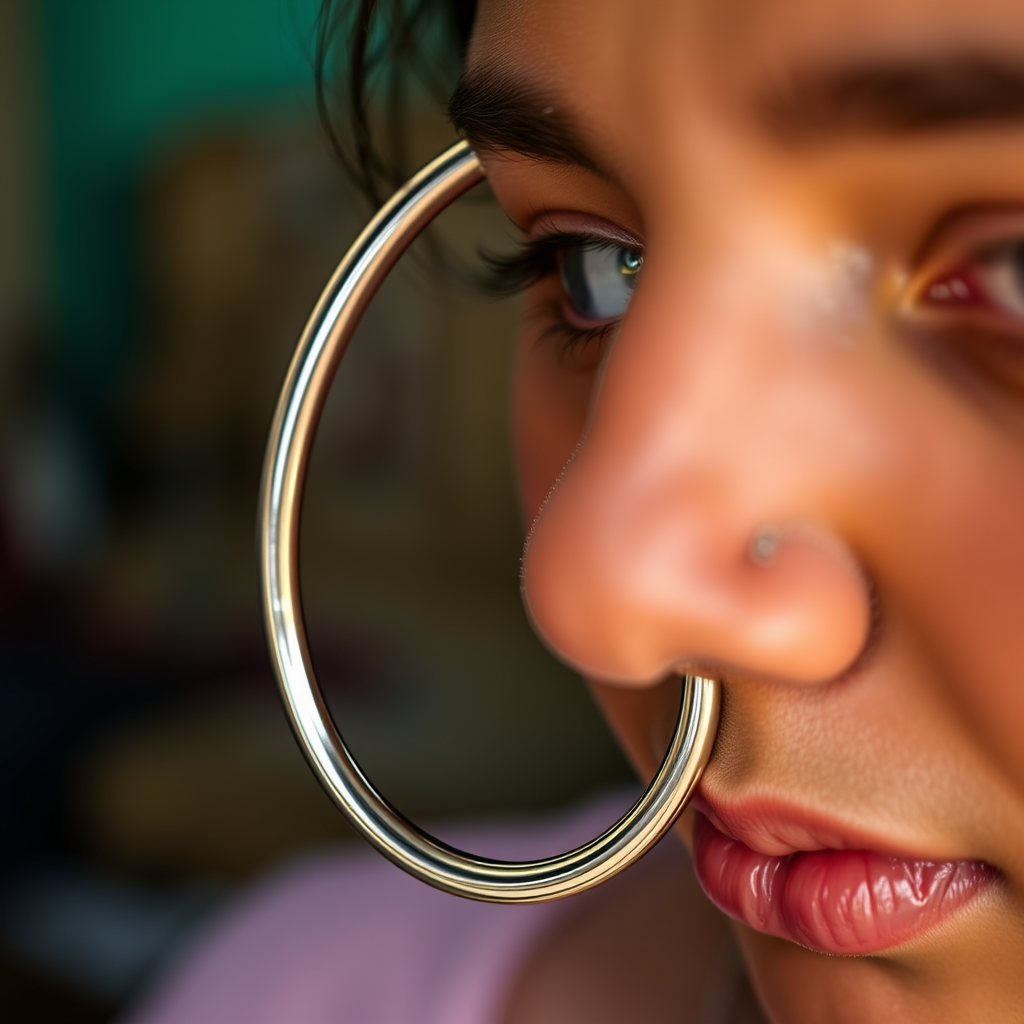
Selecting the appropriate size for your hoop nose ring is essential for both comfort and aesthetics. To determine the right diameter, measure the width of your nostril using a ruler or caliper. Most hoop nose rings range from 6mm to 12mm in diameter, and choosing one that fits your nostril will ensure that it sits well without pinching or feeling overly loose.
Moreover, consider the thickness of the hoop itself. A thicker hoop may provide a bolder look but can be more challenging to insert, especially if you are new to wearing nose jewelry. Conversely, a thinner hoop may be easier to manage but might not offer the same visual impact. If you are unsure, consulting with a professional piercer can provide valuable insights.
Inserting the Hoop Nose Ring
Once you have prepared and chosen the right size, it’s time to insert the hoop nose ring. Start by gently holding your nostril open with your fingers. This creates space for the hoop to pass through the piercing and minimizes discomfort during insertion.
Carefully slide the hoop through the piercing, ensuring that it follows the natural curve of your nose. It is important to be gentle during this process to avoid causing any unnecessary pain or trauma to the piercing. If you encounter any resistance, do not force the hoop; instead, withdraw slightly and adjust your angle. If you are still having difficulty, taking a moment to relax and breathe can help alleviate any tension.
Securing the Nose Ring
After successfully inserting the hoop, the next step is to secure it in place. Gently twist the hoop slightly to ensure it sits comfortably within the piercing. This positioning will help the ring stay in place during daily activities and improve comfort levels.
If your hoop has a closure mechanism, such as a clicker or a ball closure, make sure it is securely fitted. Check that the closure is tight enough to prevent the hoop from slipping out, but not so tight that it causes discomfort. Regularly checking the security of your hoop is essential, especially in the first few weeks after insertion when the piercing is still healing.
Aftercare Tips
Proper aftercare is crucial for ensuring the health of your new piercing. Clean the area around the piercing daily with saline solution, which can be made by mixing non-iodized sea salt with distilled water. This solution helps to keep the area free from bacteria and promotes healing.Additionally, avoid swimming in pools, lakes, or oceans, as these can introduce harmful bacteria that may lead to infection. Steer clear of using harsh skincare products like alcohol-based toners or exfoliants near the piercing for at least a few weeks. It’s also wise to avoid changing your jewelry until the piercing has fully healed, which can take several weeks to months, depending on the individual.
Troubleshooting Common Issues
Even with a proper insertion and care routine, issues can still arise. If the hoop feels too tight, consider a larger size or adjusting the positioning slightly to alleviate the pressure. Sometimes, the angle at which the hoop is positioned can create discomfort, so ensuring it aligns well with the shape of your nostril is important.
If you experience pain, excessive swelling, or discharge that is not clear, it is advisable to consult a professional piercer. These symptoms may indicate an infection or irritation that requires expert attention. Remember, your comfort and health should always take precedence over aesthetics.
When to Seek Professional Help
If you encounter persistent irritation, redness, or signs of infection, it is vital to seek advice from a professional piercer or a healthcare provider. They can assess your piercing and provide appropriate care recommendations, which may include antibiotic treatments if necessary. Regular check-ins with a piercer can also help ensure that your piercing remains healthy and free from complications.
In cases where the jewelry causes severe discomfort or if you are unable to resolve the issues yourself, do not hesitate to have the hoop removed by a professional. They can replace it with a more suitable option or assist in healing the piercing effectively.
Putting on a hoop nose ring can be a simple and gratifying experience when approached correctly. By following these steps and prioritizing hygiene and comfort, you can enjoy your stylish new accessory without complications. Always remember to consult professionals when needed, ensuring that your piercing journey is both safe and enjoyable.
Frequently Asked Questions
How do I properly put on a hoop nose ring without causing irritation?
To put on a hoop nose ring correctly and avoid irritation, start by thoroughly washing your hands and the hoop with mild soap and water. Gently hold your nostril open and insert the hoop through your piercing at a slight angle, making sure the ring moves smoothly without excessive force. If you experience discomfort, it may help to apply a small amount of saline solution around the piercing area beforehand to ease the insertion.
What is the best way to secure a hoop nose ring after putting it in?
To secure a hoop nose ring, ensure that you have chosen the right size and type of hoop for your piercing. Once inserted, gently close the hoop by aligning the ends together, making sure there is no gap. Some hoops come with a hinge or clasp mechanism, so ensure it clicks into place for a secure fit. This will prevent the ring from falling out or getting snagged on clothing.
Why does my hoop nose ring keep falling out, and how can I prevent this?
If your hoop nose ring keeps falling out, it could be due to an incorrect size, a loose closure, or even the natural healing process of your piercing. To prevent this, choose a hoop that fits snugly but comfortably, and always ensure that the closure mechanism is secure. Additionally, consider using a small clear retainer when you’re not wearing your hoop to keep the piercing open and reduce the risk of it closing.
Which type of hoop nose ring is best for sensitive skin?
For individuals with sensitive skin, the best type of hoop nose ring is typically made from hypoallergenic materials such as surgical stainless steel, titanium, or niobium. These materials are less likely to cause irritation or allergic reactions. Avoid hoops that contain nickel or other irritants, and consider opting for a smooth, seamless design to minimize any potential discomfort.
What should I do if I experience pain or swelling after putting in my hoop nose ring?
If you experience pain or swelling after inserting your hoop nose ring, it’s crucial to assess for signs of infection, such as redness or discharge. Gently clean the area with saline solution and avoid touching or twisting the hoop unnecessarily. If symptoms persist or worsen, it’s best to consult with a professional piercer or healthcare provider to ensure proper care and treatment for your nose piercing.