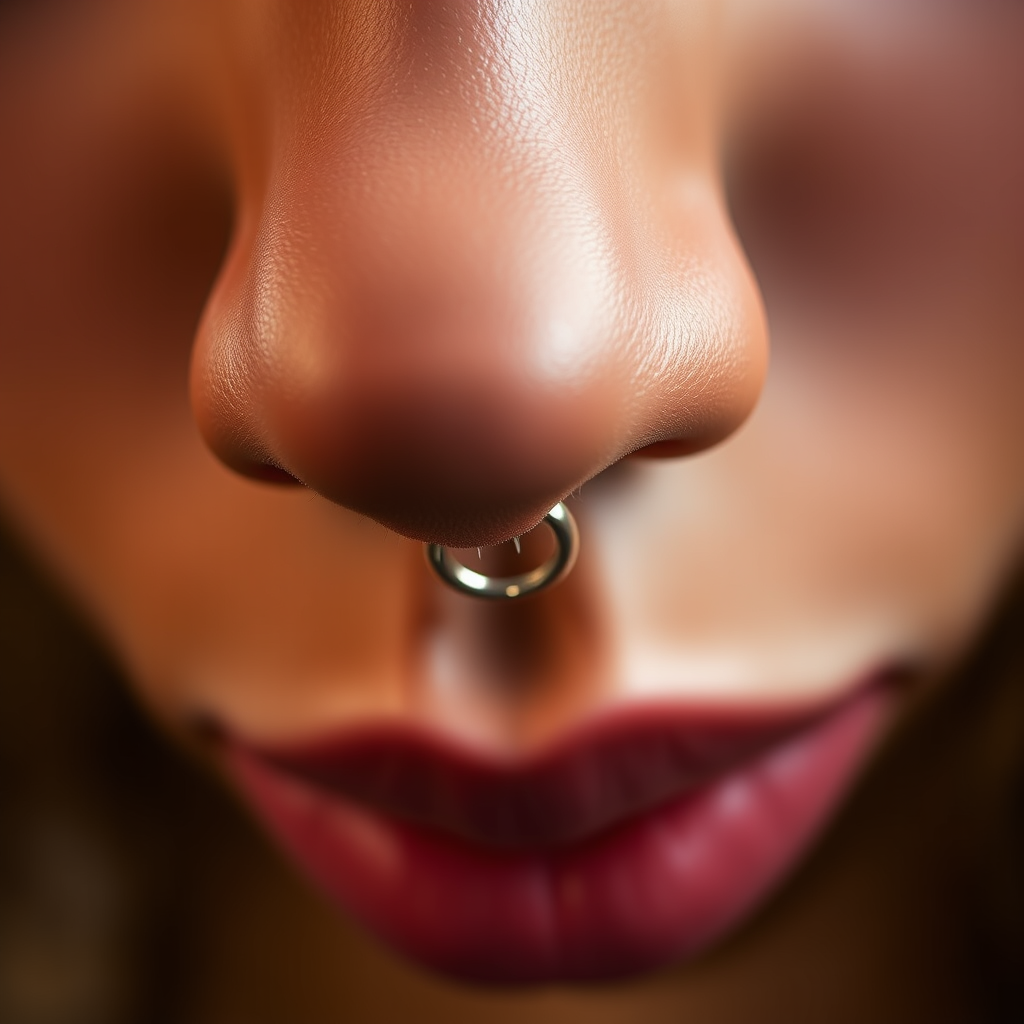
Inserting a corkscrew nose ring can be a straightforward process if you follow the right steps. This guide will help you understand how to safely and effectively put in your corkscrew nose ring with ease. You’ll learn about preparation, techniques, and aftercare to ensure a smooth experience, ultimately enhancing your piercing’s aesthetic while prioritizing your health and comfort.
Preparing for Insertion

Before you begin the process of inserting your corkscrew nose ring, it is essential to prepare adequately to minimize the risk of infection and ensure a smooth insertion. Start by thoroughly cleaning your hands with soap and water; this simple step is crucial in preventing bacteria from entering the piercing. Likewise, cleanse the area around your nose with a saline solution or an alcohol wipe. This ensures that the skin is free from oils and other contaminants that could lead to infection.
Next, gather all necessary tools to facilitate the insertion process. A well-lit mirror is vital to provide a clear view of your piercing, making the process much simpler. Additionally, having a saline solution on hand will not only aid in cleaning but can also be used to lubricate the corkscrew nose ring. Finally, ensure that your corkscrew nose ring is ready for insertion by checking it for any defects or rough edges that could irritate your piercing.
Choosing the Right Corkscrew Nose Ring
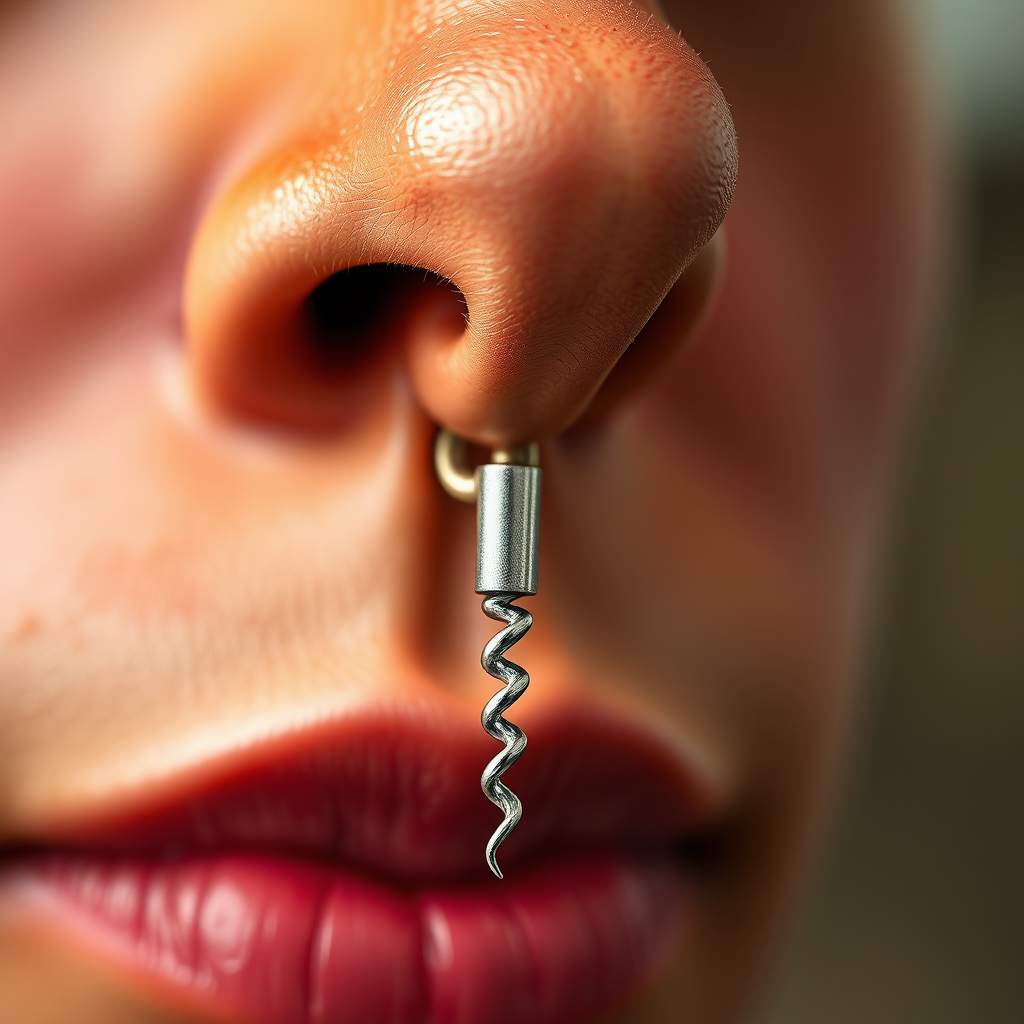
Selecting the appropriate corkscrew nose ring is crucial for both comfort and aesthetic appeal. Corkscrew nose rings come in various materials, including surgical steel, titanium, and gold. For individuals with sensitive skin or metal allergies, titanium is often the best option, as it is hypoallergenic and less likely to cause irritation. Surgical steel is also a popular choice due to its durability and resistance to tarnishing. When choosing a material, consider any known allergies and consult with a professional piercer if you are uncertain.
In addition to material, gauge size is another important factor to consider. The gauge size refers to the thickness of the jewelry, and it’s essential to select a size that fits your piercing comfortably without causing undue pressure. Typically, most nose piercings use a gauge size of 20 to 18, but this can vary based on individual preference and anatomy. If you’re unsure, consult with your piercer to determine the right gauge for your specific piercing.
The Insertion Process
When you’re ready to insert the corkscrew nose ring, start by holding the ring at its base, where the corkscrew shape begins. This grip allows you to have better control during insertion. Gently introduce the tip of the corkscrew nose ring into your nostril. It’s often helpful to angle the ring slightly toward the inside of your nose to align it properly with the piercing channel.
As you push the ring through, rotate it slightly. This rotation can help to ease the ring through the piercing and reduce any discomfort. Do not force the ring if you encounter resistance; instead, back off slightly and try again to avoid any potential damage to the piercing site. The insertion should feel smooth and relatively painless; if you experience any sharp pain, stop immediately and reassess the situation.
Tips for a Smooth Insertion
To ensure a seamless insertion, consider using a saline solution or a lubricant specifically designed for body jewelry. This can help to reduce friction and make it easier for the corkscrew nose ring to slide into place. Applying a small amount of lubricant to the ring can create a smoother experience, especially if you are dealing with any swelling or irritation at the piercing site.
Moreover, take your time during the insertion process. Rushing can lead to unnecessary tension, which may complicate the procedure. To ease anxiety, practice deep breathing and try to relax your body. Tension can make insertion more difficult and increase the likelihood of discomfort. If you find yourself feeling anxious, step back and take a moment to collect your thoughts before proceeding.
Aftercare for Your Nose Ring
Once the corkscrew nose ring is in place, proper aftercare is vital to ensure the health of your piercing. Clean the area regularly using a saline solution to promote healing and prevent infection. It is generally recommended to clean your piercing twice a day, but avoid excessive handling of the ring itself. Touching or twisting the ring can introduce bacteria and irritate the surrounding skin.
Additionally, be cautious about what products come into contact with your nose area. Avoid using harsh cosmetics or fragrances until your piercing has fully healed. Maintaining good hygiene is key, and you should also be mindful of any activities that might expose your piercing to dirt or bacteria, such as swimming in pools or hot tubs.
Troubleshooting Common Issues
Despite your best efforts, you may encounter some common issues after inserting your corkscrew nose ring. For instance, if the ring feels stuck, don’t panic. Gently twist the ring while simultaneously pulling it out slightly. This can help free it from any potential snagging on the skin. However, if you experience significant pain, swelling, or prolonged discomfort, it is crucial to seek professional help from a piercer or a healthcare provider. Ignoring these symptoms could lead to complications, so prioritize your health and safety.
Another common concern is irritation or allergic reactions. If you notice excessive redness, swelling, or any discharge that appears unusual, consult with a healthcare professional. It’s essential to listen to your body and address any issues promptly to ensure a successful healing process.
In summary, inserting a corkscrew nose ring can be a straightforward task when approached methodically. From proper preparation to careful insertion and diligent aftercare, each step plays a critical role in ensuring a successful experience. Remember to take your time, seek professional assistance if needed, and enjoy your new look while caring for your piercing properly. The effort you put into this process will pay off, allowing you to showcase your unique style with confidence.
Frequently Asked Questions
How do I properly insert a corkscrew nose ring?
To insert a corkscrew nose ring, first ensure your hands are clean to prevent infection. Hold the corkscrew ring at the center, and gently push the tip into the piercing at a slight angle. Once the tip is through, rotate it into place, ensuring the corkscrew end is securely positioned inside your nostril. Remember to take your time and avoid forcing the jewelry, as this can cause irritation.
What should I do if my corkscrew nose ring is stuck?
If your corkscrew nose ring is stuck, first try to remain calm and avoid pulling it forcefully, as this could damage your piercing. Gently twist the ring back and forth to see if it loosens. If it still doesn’t budge, consider applying a small amount of saline solution to the area, or consult a professional piercer for assistance. They can safely remove or adjust the jewelry without causing harm.
Why is my corkscrew nose ring causing irritation or pain?
Irritation or pain from a corkscrew nose ring may be due to several factors, including an allergic reaction to the metal, improper insertion technique, or wearing the jewelry too soon after piercing. It’s essential to use high-quality materials like titanium or surgical steel and to allow your piercing adequate healing time. If irritation persists, remove the jewelry and consult a healthcare professional for advice.
Which type of corkscrew nose ring is best for sensitive skin?
The best type of corkscrew nose ring for sensitive skin is one made from hypoallergenic materials like titanium or surgical stainless steel. These materials are less likely to cause allergic reactions and are durable for everyday wear. Additionally, you may want to look for rings with a smooth finish and avoid any decorative elements that could irritate the skin further.
What aftercare steps should I follow after inserting a corkscrew nose ring?
After inserting a corkscrew nose ring, it’s crucial to follow proper aftercare to ensure healing and prevent infection. Clean the area daily with a saline solution or a gentle antiseptic recommended by your piercer. Avoid touching your nose ring with dirty hands, and refrain from changing or removing the jewelry until your piercing has fully healed, which typically takes about 6 to 8 weeks.
References
- https://en.wikipedia.org/wiki/Piercing
- https://www.ncbi.nlm.nih.gov/pmc/articles/PMC4521135/
- https://www.mayoclinic.org/healthy-lifestyle/adult-health/in-depth/piercings/art-20047223
- https://www.aafp.org/pubs/afp/issues/2011/0315/p682.html
- https://www.healthline.com/health/body-piercings#nose-piercing