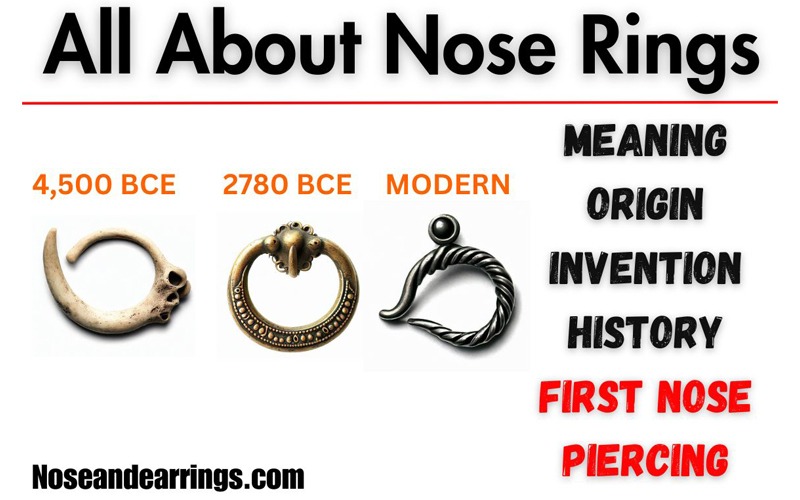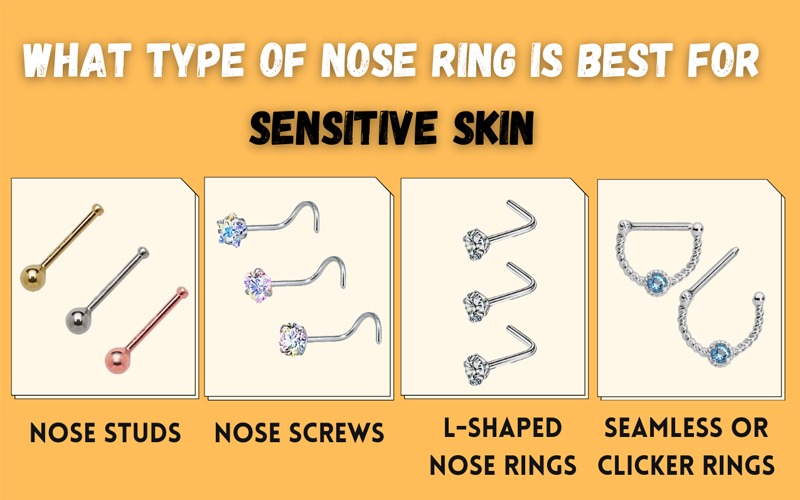
When a nose ring is removed, it can take anywhere from a few hours to several months to close completely, depending on various factors such as the length of time the piercing has been in place and individual healing rates. Understanding the dynamics of the closure process is essential for anyone who has recently removed their nose jewelry or is contemplating doing so. In this article, we will explore the factors influencing closure time, types of nose piercings, immediate effects upon removal, what to expect during the closure process, and best practices for managing a removed piercing.
Factors Affecting Closure Time
The duration a nose ring has been in place is a significant factor in how long it will take for the piercing to close after removal. Generally, piercings that have been in place for a longer time will tend to close more slowly. For instance, a nostril piercing that has been worn for several years may take weeks or even months to fully close, while a newer piercing may only take a few days. This is due to the fact that the body has had more time to adapt to the presence of the jewelry, creating scar tissue that can take longer to dissolve.
Individual healing rates also play a critical role in the closure process. Each person’s body responds differently to healing, influenced by genetics, age, and overall health. For example, younger individuals often heal faster than older adults. Moreover, someone with a robust immune system may heal more quickly than others, while those with underlying health issues might experience slower healing and longer closure times. Recognizing these personal factors is essential in setting realistic expectations.
Types of Nose Piercings
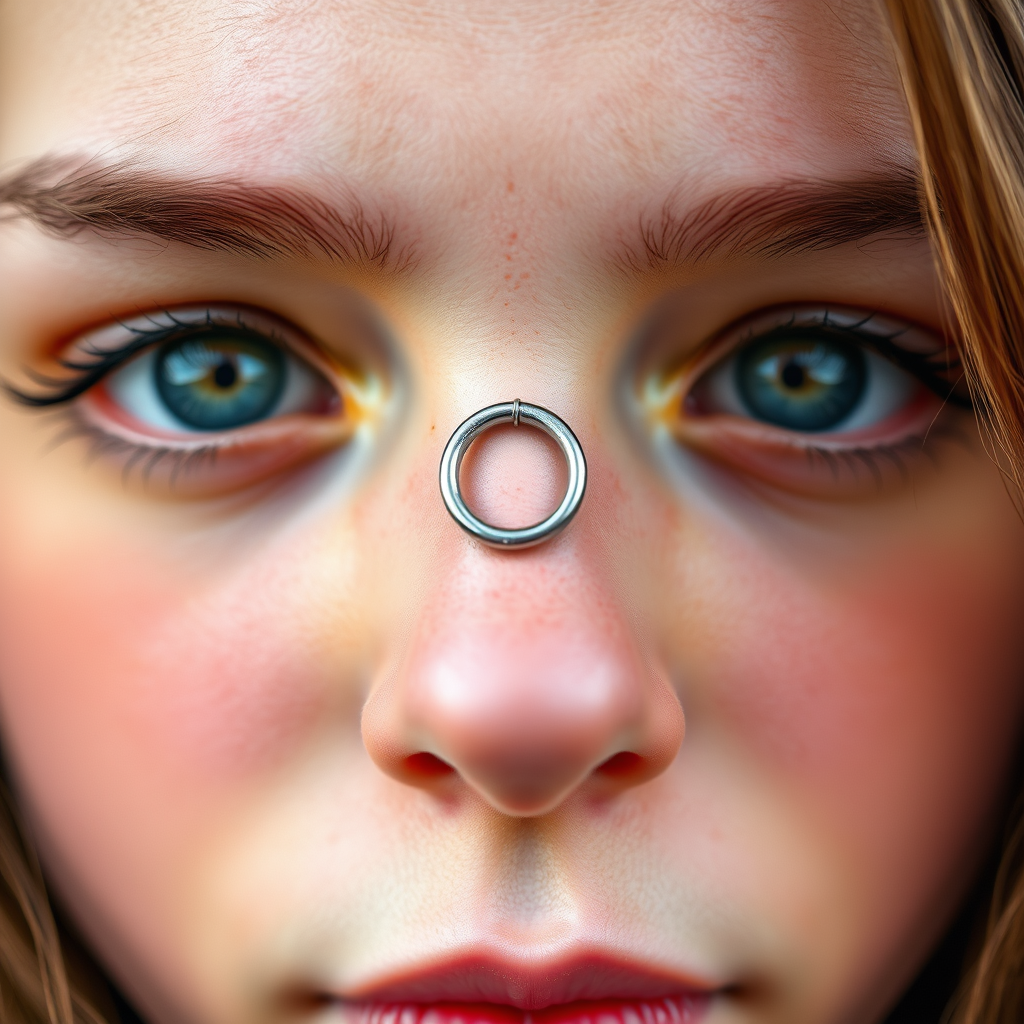
Different types of nose piercings exhibit varying closure rates. Nostril piercings, which are the most common, typically close faster than septum piercings. This is primarily due to the anatomical differences in the tissues involved. A nostril piercing is located on the thinner skin of the nostril, facilitating quicker healing responses when the jewelry is removed.
Conversely, septum piercings might take longer to close because they penetrate the thicker tissue between the nostrils. This can lead to prolonged healing times, with some individuals reporting that their septum piercings can remain open for months, even after removal. Understanding these differences can help individuals manage their expectations when considering the closure of their nose piercings.
Immediate Effects of Removing a Nose Ring
Upon the removal of a nose ring, the body initiates an immediate healing response. This response is characterized by the body’s attempt to close the hole left by the jewelry. In the first few hours, the area may begin to swell slightly, and the skin around the piercing may become red as blood flow increases to facilitate healing.
However, it is crucial to be aware that there is a risk of infection during this closure process. The open hole can serve as a gateway for bacteria, especially if proper aftercare is not observed. Signs of infection may include increased redness, warmth, swelling, or discharge that appears pus-like. Therefore, it is essential to manage the area properly to minimize the risk of complications.
What to Expect During the Closure Process
During the closure process, individuals can expect several changes in appearance and sensation. Initially, the hole left by the nose ring may begin to shrink, but this process is gradual and can vary significantly from person to person. It’s important to note that even after closure, the site may leave a small scar, which can be more noticeable in some individuals than others.
As the body heals, sensitivity and irritation in the area may occur. The skin can feel tender, and mild itching may be present as new skin forms. This sensation is usually a normal part of the healing process; however, if the irritation increases or if there is persistent pain, it may signal a problem that requires professional evaluation.
Tips for Managing a Removed Nose Ring
To ensure a smooth healing process after the removal of a nose ring, certain best practices should be followed. Keeping the area clean is paramount. Regular cleaning with saline solution or a mild antiseptic can help prevent infection and promote healing. It is advisable to avoid using alcohol-based products, as they can be too harsh and may irritate the sensitive skin around the piercing.
Additionally, patience is key when considering re-piercing. It is essential to wait until the piercing has completely closed before attempting to get re-pierced. This not only ensures a safer process but also allows the body to return to its natural state, reducing the risk of complications during the new piercing.
When to Seek Professional Help
Monitoring the healing process is crucial, and there may come a time when seeking professional help is necessary. Signs of infection, such as persistent redness, swelling, or discharge, should prompt a visit to a piercer or healthcare professional. These symptoms can indicate that the healing process is not proceeding as expected and may require intervention.
Additionally, if pain persists beyond the initial removal period or intensifies, consulting a professional is recommended. They can provide guidance on appropriate care measures and assess whether any further medical treatment is necessary.
Understanding the nuances of the closure process for a nose ring can help individuals make informed decisions about their piercings. While the time it takes for a nose ring to close varies based on several factors, adhering to proper care practices can facilitate a smoother transition after removal. Ultimately, prioritizing health and safety is paramount, and consulting professionals when needed is always a wise course of action.
Frequently Asked Questions
How long does it take for a nose ring hole to close completely?
The time it takes for a nose ring hole to close completely can vary significantly based on several factors, including how long you had the piercing and individual healing rates. Generally, if the piercing is relatively new (under a year), it may close within a few hours to a few days. However, if the piercing has been in for several years, it could take weeks or even months for the hole to close up entirely.
Why does my nose ring hole still look open after removing the jewelry?
After removing your nose ring, it’s common for the hole to appear open or enlarged, especially if the piercing has been in place for a long time. The skin around the piercing may take time to heal and regenerate, which can lead to a visible opening. It’s essential to keep the area clean and moisturized to promote healing, but if you notice persistent redness or discharge, consider consulting a professional piercer or dermatologist.
What can I do to help my nose ring hole close faster?
To help your nose ring hole close faster, you can keep the area clean and avoid touching it with dirty hands. Applying a gentle antiseptic or a healing ointment can support the healing process. Staying hydrated and maintaining a healthy diet can also aid in skin regeneration. However, remember that the natural healing time varies from person to person, so patience is key.
Which factors affect how quickly a nose ring hole can close?
Several factors influence how quickly a nose ring hole can close, including the age of the piercing, individual skin type, and overall health. Newer piercings are more likely to close quickly, while older ones may remain open longer. Additionally, factors such as hormonal changes, lifestyle habits like smoking, and any underlying health conditions can affect the healing process.
What should I do if my nose ring hole won’t close?
If your nose ring hole won’t close, consider consulting with a professional piercer or dermatologist for an evaluation. Sometimes, a small keloid or scar tissue can form around the piercing, preventing it from closing. In such cases, medical advice may be necessary to explore options for treatment or closure, including the use of topical treatments or, in some cases, minor surgical procedures.
References
- Body piercing
- https://www.ncbi.nlm.nih.gov/pmc/articles/PMC4820989/
- https://www.healthline.com/health/body-piercing-healing-time
- https://www.webmd.com/skin-problems-and-treatments/what-to-know-about-body-piercings
- https://www.mayoclinic.org/tests-procedures/body-piercing/about/pac-20396094