Putting in a curved nose ring can be a straightforward process if you follow the right steps. Proper preparation, careful insertion, and attentive aftercare are essential for a successful experience. In this guide, we will walk you through each step, from preparing your nose to troubleshooting common issues, ensuring that your piercing journey is smooth and satisfying.
Preparing Your Nose for the Piercing
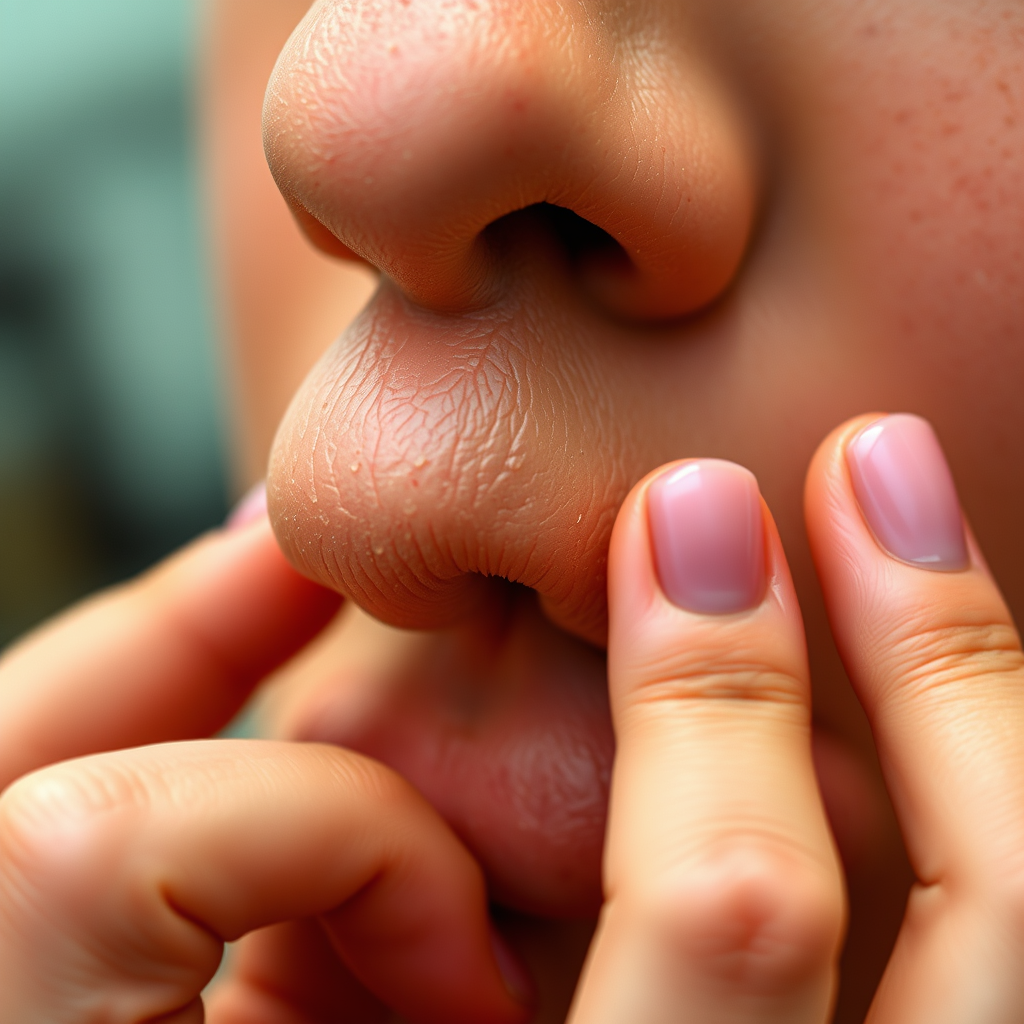
Before you attempt to insert a curved nose ring, it is crucial to prepare both your nose and your hands. Start by cleaning the area around your nostril thoroughly. Using a saline solution or an antiseptic wipes will help eliminate any potential bacteria that could lead to infection. It’s essential to ensure that the area is free of dirt and oil, which can harbor harmful microorganisms.
Equally important is the cleanliness of your hands. Wash them thoroughly with soap and water, and consider using an alcohol-based hand sanitizer afterward. This step minimizes the risk of transferring any germs to your piercing. If you have long nails, be cautious to avoid scratching the delicate skin around your nostril. Having a clean and sanitized environment sets the stage for a successful insertion and healing process.
Choosing the Right Curved Nose Ring

Selecting the appropriate curved nose ring is vital for both comfort and health. When choosing your nose ring, consider materials that are hypoallergenic, such as titanium or surgical steel. These materials are less likely to cause allergic reactions or irritation, making them ideal for new piercings. Avoid jewelry made from nickel or brass, as these can lead to adverse reactions in sensitive skin.
Another critical factor is the gauge size of the nose ring. The gauge refers to the thickness of the jewelry, with lower numbers indicating thicker pieces. Most standard nose piercings are typically done at a gauge size of 20 to 18, but this can vary based on individual preferences and the specific piercing. Always ensure that the ring fits comfortably in your piercing without being too tight or loose, as this can lead to discomfort and complications during the healing process.
Insertion Technique for Curved Nose Rings
The insertion technique for a curved nose ring requires a gentle yet firm approach. Begin by gently holding your nostril to create tension; this action can help provide a clear pathway for the ring to enter. Next, take the curved end of the ring and insert it into the hole of the piercing. Angling the ring slightly can facilitate smoother insertion, as the curvature is designed to follow the natural shape of your nostril.
As you insert the ring, do so slowly and with care. If you encounter resistance, do not force the ring in, as this may cause pain or injury. Instead, withdraw slightly, adjust the angle, and try again. Once the curved end is through the piercing, gently pull the ring through until it is fully situated in your nostril. Be cautious throughout this process to maintain comfort and avoid irritation.
Ensuring Proper Placement of the Nose Ring
After successfully inserting the nose ring, it is essential to ensure that it is positioned correctly. Gently adjust the ring to achieve a comfortable fit. The ring should sit snugly against your nostril without causing any pressure or discomfort. If you feel any irritation or unusual sensations, it may indicate incorrect placement.
Take a moment to assess the alignment of the ring. Ideally, it should be centered in your nostril, enhancing your facial features without drawing unnecessary attention to itself. If you experience any discomfort after insertion, consider removing the ring and re-evaluating the placement or consulting with a professional piercer for guidance.
Aftercare Tips for Your Curved Nose Ring
Proper aftercare is crucial for the healing of your new nose piercing. Clean the piercing site daily with a saline solution or a saline wound wash. This routine helps to prevent infection and promotes healing by keeping the area free of bacteria and debris. Use a sterile cotton swab or gauze pad to apply the saline, avoiding any harsh rubbing that could irritate the piercing.It’s also vital to avoid touching or playing with your nose ring unnecessarily. Frequent handling can introduce bacteria and oils from your hands, leading to infection or delayed healing. If you must touch your nose ring for any reason, ensure your hands are clean and sanitized. Refrain from changing jewelry for at least six to eight weeks, as your piercing needs time to heal fully before introducing new materials or designs.
Troubleshooting Common Issues
Despite careful preparation and aftercare, issues may arise during the healing process. If your nose ring feels too tight or painful, it is advisable to consult a professional piercer. They can assess the situation and determine whether the ring is the correct size and gauge for your piercing. They may also recommend adjusting the fit or switching to a different material if irritation persists.
Additionally, be vigilant for signs of infection, such as redness, swelling, increased pain, or discharge. If you observe any of these symptoms, it is crucial to seek professional help promptly. Early intervention can prevent more serious complications and ensure a smoother healing process.
In summary, putting in a curved nose ring involves preparation, careful insertion, and proper aftercare. By following these steps and maintaining hygienic practices, you can ensure a successful piercing experience. If you face any challenges or uncertainties, do not hesitate to reach out to a professional for assistance. Happy piercing!
Frequently Asked Questions
What is a curved nose ring and how is it different from other types of nose jewelry?
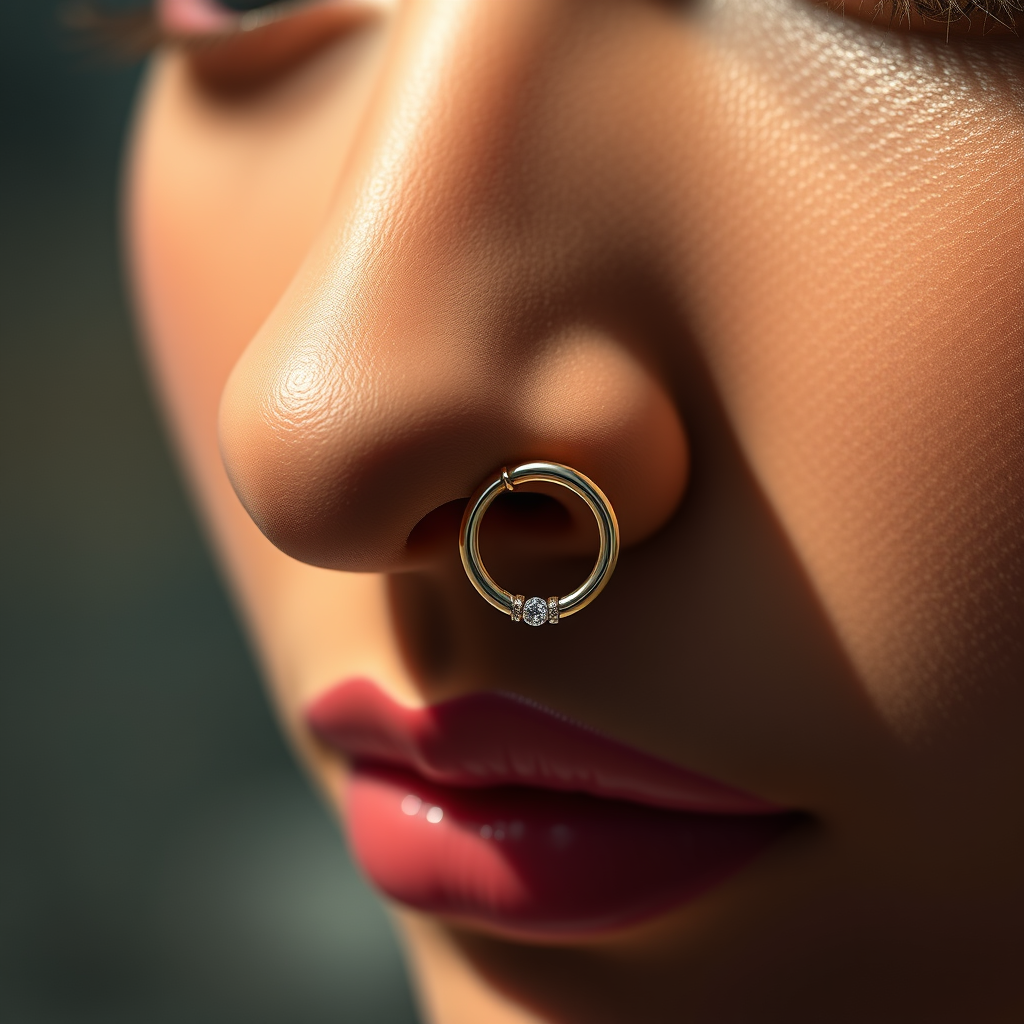
A curved nose ring, also known as a captive bead ring or a circular barbell, features a semi-circular shape that allows it to sit comfortably in the nostril. Unlike stud-type nose piercings that have a straight post, curved nose rings offer a more rounded design, making them ideal for those looking for a unique style. They can be made from various materials, including stainless steel, titanium, and gold, which are all suitable for sensitive skin.
How do I put in a curved nose ring without causing discomfort?
To properly put in a curved nose ring, start by washing your hands thoroughly and ensuring the ring is clean. Gently insert the end of the curved ring into your nostril at an angle, allowing the curve to guide it through the piercing. It’s important to take your time and avoid forcing the jewelry, as this can cause discomfort. If you’re having difficulty, apply a small amount of water-based lubricant to the ring to help it slide in more easily.
Why is it important to use the right size curved nose ring?
Using the correct size curved nose ring is crucial to prevent irritation and promote healing. A ring that is too tight can cause pressure on the piercing, leading to pain and inflammation, while one that is too loose may fall out or get caught on clothing. To find the right size, measure the diameter of your piercing and choose a curved ring that corresponds to that measurement, ensuring both comfort and style.
What is the best way to clean a curved nose ring after insertion?
After inserting a curved nose ring, it’s essential to keep the area clean to prevent infection. You can clean the jewelry by using a saline solution or a mild saline wound wash, gently applying it to the piercing with a cotton ball or swab. Avoid using alcohol or hydrogen peroxide, as these can irritate the skin and slow down the healing process. Regular cleaning, ideally twice a day, will help maintain hygiene and promote a healthy healing environment.
Which materials are best for a curved nose ring, especially for sensitive skin?
For individuals with sensitive skin, the best materials for a curved nose ring include titanium, surgical stainless steel, and solid gold. Titanium is hypoallergenic and lightweight, making it an excellent choice for new piercings. Surgical stainless steel is durable and resistant to tarnish, while solid gold offers both beauty and biocompatibility. Avoid nickel-containing materials, as they are known to cause allergic reactions in some people.
References
- Nose piercing
- https://www.healthline.com/health/nose-piercing-care
- https://www.webmd.com/beauty/what-to-know-about-nose-piercings
- https://www.mayoclinic.org/healthy-lifestyle/adult-health/in-depth/piercings/art-20046543
- https://www.aafp.org/pubs/afp/issues/2013/0101/p1.html
- https://www.verywellhealth.com/nose-piercing-care-4174889