Removing a nose ring can be a straightforward process when done correctly. By following a systematic approach, you can ensure safe removal while minimizing discomfort and the risk of complications. This guide will take you through each step, from understanding the type of nose ring you have to the proper aftercare needed post-removal.
Understanding the Type of Nose Ring

Before attempting to remove your nose ring, it is crucial to identify the type you have. Nose rings typically come in three main varieties: studs, hoops, and captive beads. Each type has a unique mechanism for removal.
– Studs: These consist of a post with a decorative end that can be either fixed or removable. Studs often have a backing that needs to be unscrewed or pulled off.
– Hoops: These rings form a complete circle and can be either seamless or feature a small opening. The removal process involves gently pulling the hoop apart.
– Captive Bead Rings: These consist of a metal ring holding a bead or ball in place. To remove this type, you must carefully separate the bead from the ring.
Understanding the specific type of nose ring you possess will make the removal process more intuitive and reduce the risk of damaging your piercing.
Preparing for Removal
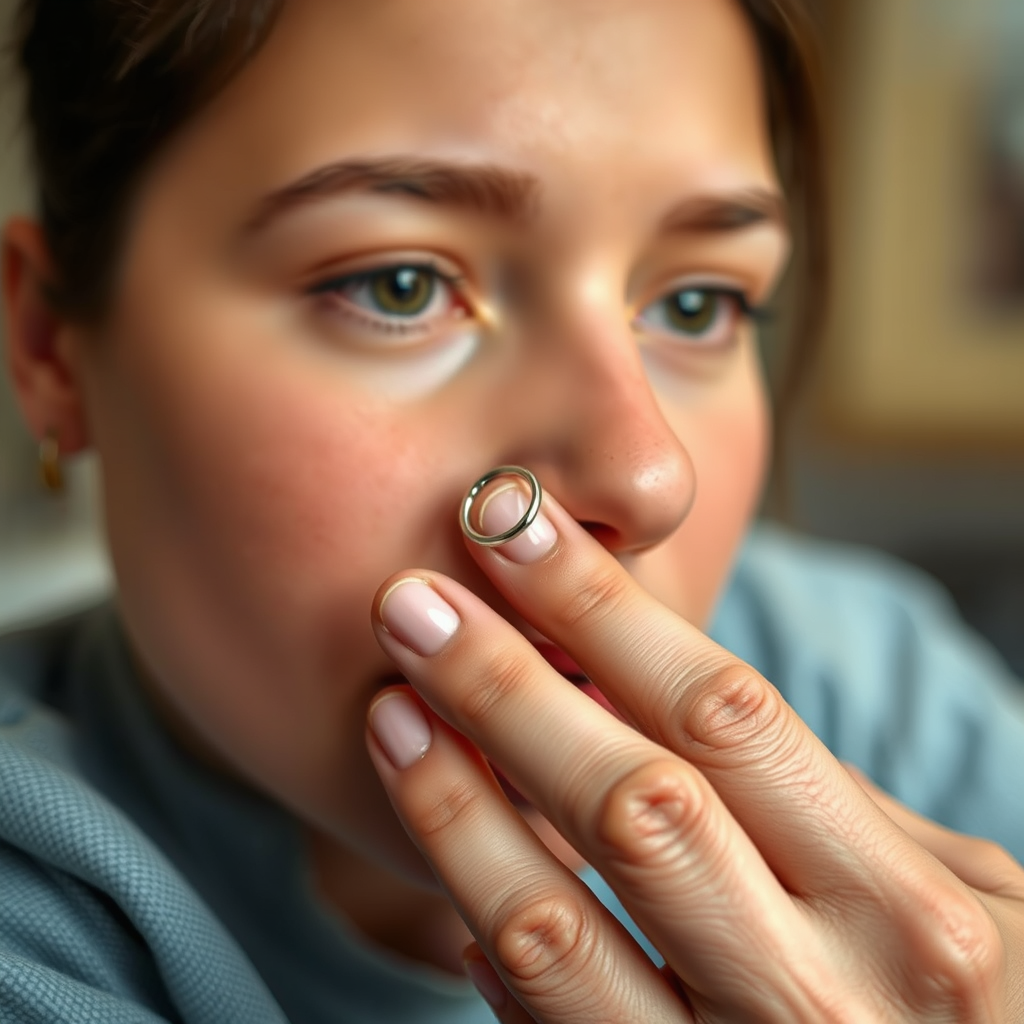
Preparation is a critical step in ensuring the safe removal of your nose ring.
– Wash Your Hands: Begin by washing your hands thoroughly with soap and water. This step is essential to prevent introducing bacteria into the piercing, which could lead to infection.
– Gather Necessary Tools: Aside from your clean hands, you may find it helpful to have a mirror to see the piercing clearly and a pair of disposable gloves to maintain hygiene during the removal process. If you are using a stud with a screw-on backing, a small pair of pliers may be useful for gripping the backing, but be cautious to avoid excessive force.
– Set Up Your Space: Choose a well-lit area to perform the removal. A clean, flat surface can help prevent any tools or jewelry from rolling away or getting lost.
Steps to Remove a Stud Nose Ring
Removing a stud nose ring can be straightforward if you follow these steps carefully.
1. Twist to Unscrew: If your stud has a screw-on backing, hold the decorative top firmly. Gently twist the backing counterclockwise to unscrew it. If the backing is difficult to turn, use a small pair of pliers, but ensure you are not applying too much pressure, which could damage the jewelry or your piercing.
2. Pull Out the Stud: Once the backing is removed, carefully grasp the stud with your fingers. Slowly pull it out of the piercing hole, maintaining a steady grip to prevent any sudden jerks that could cause discomfort. If you encounter resistance, do not force it; instead, reassess the situation and ensure that the backing has been fully unscrewed.
Steps to Remove a Hoop Nose Ring
The removal process for hoop nose rings differs slightly due to their circular design. Here’s how to do it safely:
1. Locate the Opening: Identify the point where the hoop opens. This may be a small gap or a hinge mechanism, depending on the design.
2. Gently Pull Apart: If your hoop has a closure, gently pull apart the two ends at the opening. If it’s a seamless ring, you may need to use your fingers to gently bend the metal apart at the joint. Be careful not to apply too much force, as this can deform the hoop.
3. Slide the Hoop Out: Once the hoop is sufficiently opened, slide it out of the piercing hole. Take your time to ensure a smooth removal, which will minimize any discomfort.
Aftercare Following Removal
After successfully removing your nose ring, proper aftercare is crucial to maintain the health of your piercing.
– Clean the Area: Use a saline solution or mild soap and water to cleanse the area around the piercing. This helps eliminate any bacteria that may have accumulated during the removal process. Pat the area dry with a clean towel or let it air dry.
– Monitor for Complications: Keep an eye on the piercing for any signs of infection, such as redness, swelling, or unusual discharge. If you notice any of these symptoms, consider consulting a healthcare professional.
– Avoid Touching the Area: To promote healing, refrain from touching or playing with the piercing unnecessarily. This will minimize the risk of irritation or re-infection.
When to Seek Professional Help
While most individuals can successfully remove their nose rings at home, there are certain situations where professional assistance is warranted.
– Signs of Infection: If you notice persistent redness, swelling, warmth, or discharge from the piercing, these could be signs of infection. It is essential to seek medical advice to avoid further complications.
– Difficulty Removing the Nose Ring: If you find that the nose ring feels stuck or you’re unable to remove it despite following the steps outlined, it’s advisable to consult a professional piercer. They have the tools and expertise to assist you without causing damage to your piercing or discomfort.
If you’re unsure about any step or experience discomfort, it’s best to consult a professional piercer for assistance.
Removing a nose ring can be done safely by following the right steps and taking care of your piercing afterward. Remember to keep the area clean and monitor for any signs of complications. If you have further questions or concerns, don’t hesitate to reach out for professional help. By understanding your jewelry type, preparing adequately, and following proper removal techniques, you can ensure a smooth and safe experience.
Frequently Asked Questions
What is the best method to remove a nose ring safely?
The best method to remove a nose ring safely involves first washing your hands thoroughly to prevent infection. Next, gently twist the jewelry while pulling it out of the piercing hole. If it feels stuck, avoid forcing it; instead, apply a bit of saline solution or antiseptic to help loosen any crust that may have formed around the piercing.
How can I remove a nose ring if it’s stuck?
If your nose ring is stuck, do not panic. Start by cleaning your hands and then apply a saline solution or a few drops of olive oil around the piercing site to help reduce friction. Gently twist and pull the nose ring; if it still does not budge, consider visiting a professional piercer who can assist without risking injury or irritation.
Why does my nose ring hurt when I try to remove it?
Pain when removing a nose ring can be due to several factors, including infection, irritation, or the jewelry being too tightly fitted. It’s important to ensure that the area is clean and to avoid excessive force. If the pain persists or if you notice signs of infection, such as redness or swelling, consult a healthcare professional or a licensed piercer for advice.
Which type of nose ring is easiest to remove?
The easiest type of nose ring to remove is typically a stud with a simple backing, such as a screw or push pin closure, as these can be manipulated with minimal effort. Nose hoops and septum rings may require more technique to remove, especially if they are hinged or have complex openings. When choosing a nose ring, consider opting for a design that you find easy to remove for future convenience.
What should I do after removing my nose ring?
After removing your nose ring, it’s essential to clean the piercing site with saline solution or a mild antiseptic to prevent infection. Keep an eye on the area for any signs of irritation or infection, and avoid inserting any new jewelry until the piercing has fully healed, which can take several weeks. If you plan to reinsert a new nose ring, ensure it is made from hypoallergenic materials to minimize any reaction.