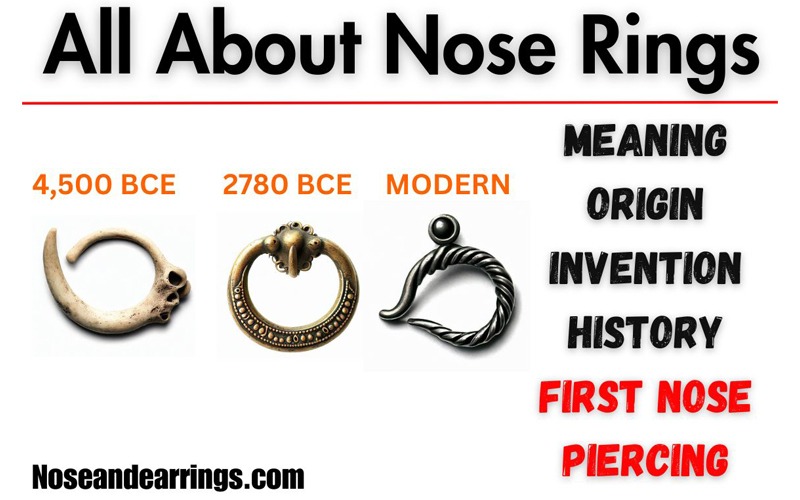
People get nose rings for a variety of reasons, including personal expression, cultural significance, and fashion trends. This popular form of body jewelry transcends mere aesthetics; it serves as a canvas for identity and creativity, reflecting a multitude of motivations that resonate with different demographics. From ancient traditions to contemporary fashion statements, nose rings have evolved in their significance, making them a compelling subject of study.
Cultural Significance of Nose Rings

Nose rings carry profound meanings in various cultures, often symbolizing beauty, status, or even marital status. In many societies, especially in South Asia, nose rings are not merely ornaments but are deeply embedded in cultural practices and rituals. For instance, in India, the wearing of a nose ring, or “nath,” is traditionally associated with married women and is often part of wedding ceremonies. The size and design of the nose ring can signify social standing, with more elaborate pieces indicating higher status within the community.
Moreover, in Middle Eastern cultures, nose rings have a long history, often representing wealth and femininity. For example, in Bedouin culture, a nose ring may signify a woman’s marital status or even her family’s lineage. This cultural heritage has maintained the significance of nose rings over generations, making them a meaningful choice for many individuals who wish to honor their roots.
Personal Expression and Identity

In addition to their cultural significance, nose rings serve as a powerful tool for personal expression and identity. Many individuals choose this form of body jewelry to showcase their unique personality or to symbolize their beliefs and values. The choice of style, size, and placement of a nose ring can reflect an individual’s journey and self-image.
For instance, someone opting for a subtle stud may prioritize a more classic and understated aesthetic, while those who select larger hoops or intricate designs might be looking to make a bold statement or defy conventional beauty norms. Additionally, the choice of metal—be it gold, silver, or even titanium—can indicate personal preferences or lifestyle choices, such as a commitment to sustainability or a love for luxury. By wearing a nose ring, individuals can articulate their identity in a way that resonates with their experiences and aspirations.
Fashion and Trends
Over the years, nose rings have transitioned from a niche accessory to a mainstream fashion statement, appearing on runways, in fashion magazines, and increasingly in everyday life. Designers and brands have embraced this trend, often featuring nose rings as part of their collections. For example, high-fashion models can be seen sporting bold, oversized nose rings, while street style influencers showcase a variety of minimalist designs.
As with any fashion accessory, trends surrounding nose rings evolve over time. The introduction of different materials, such as acrylic or bioplastics, has expanded the options available to consumers. Additionally, the rise of personalized jewelry has led to custom designs that allow individuals to express their creativity. Fashion-forward individuals often experiment with layering multiple nose rings or combining them with other facial piercings, further enhancing their style.
Influence of Social Media
Social media platforms like Instagram and TikTok have significantly amplified the popularity of nose rings, showcasing diverse styles and innovative ways to wear them. Influencers and celebrities often set trends, influencing their followers to adopt similar styles. For instance, celebrities such as Rihanna and Kylie Jenner have been known to sport nose rings, which has led to a surge in interest among their fans.
The visual nature of these platforms allows users to explore a plethora of styles, from delicate studs to elaborate hoops, encouraging experimentation. Hashtags like #nosepiercing and #nosespiercingstyles have created communities of enthusiasts who share their journeys, tips, and experiences. This democratization of fashion has made nose rings more accessible to a wider audience, fostering a culture of acceptance around body piercings.
Psychological Aspects
The decision to get a nose ring often goes beyond aesthetics; for many, it serves as a confidence booster or a way to reclaim autonomy over their bodies. The act of piercing can be a transformative experience, marking a personal rite of passage or a statement of empowerment.
For some individuals, particularly those who have faced societal pressures regarding their appearance, wearing a nose ring can symbolize defiance against conventional beauty standards. It allows them to take control of their narrative, embracing their uniqueness in a society that often promotes conformity. This psychological aspect can contribute to enhanced self-esteem and a sense of belonging among those who participate in the body art community.
Health Considerations and Care
While nose rings can be a beautiful form of expression, it is essential to understand the health considerations and aftercare associated with a new piercing. Proper aftercare is crucial to avoid infections and complications, which can occur if the piercing is not maintained correctly.
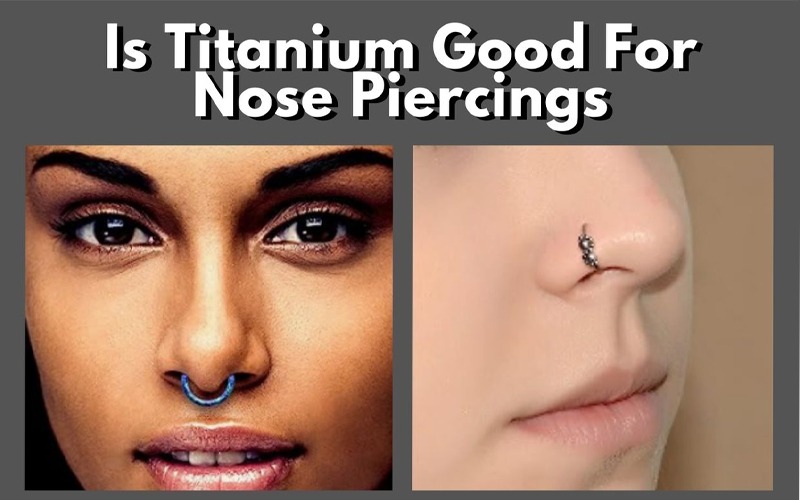
After getting a nose ring, it is advisable to clean the area regularly with saline solutions and avoid touching it with unwashed hands. Additionally, individuals should be aware of potential allergic reactions to certain metals, particularly nickel, which can cause irritation for sensitive skin types. Opting for hypoallergenic options, such as surgical stainless steel or titanium, can help mitigate these risks and ensure a healthy healing process.
Common Misconceptions
Despite the growing acceptance of nose rings, several myths and misconceptions persist. One prevalent stereotype associates nose rings with rebellion or nonconformity, which can lead to negative judgments and biases against those who choose to wear them.
Clarifying these misconceptions is essential to normalize the practice of wearing nose rings and broaden societal acceptance. It is important to recognize that individuals from all walks of life, including professionals and academics, wear nose rings as a legitimate form of self-expression. By dispelling these myths, society can foster a more inclusive environment where personal choices regarding body art are respected and celebrated.
Nose rings serve as a multifaceted form of body art that resonates with people for various reasons, from cultural traditions to personal expression. Whether you’re considering getting a nose ring or simply curious about the trend, understanding these motivations can enhance your appreciation for this popular form of adornment. It is a rich tapestry of meaning that reflects societal changes and individual journeys. Explore your options, connect with your style, and consider how a nose ring might fit into your personal narrative.
Frequently Asked Questions
Why do people choose to get nose rings?
People choose to get nose rings for various reasons, including personal expression, cultural significance, and fashion trends. For many, a nose ring symbolizes individuality and rebellion against societal norms. Additionally, in some cultures, nose piercings are traditional rites of passage or signify marital status, further enhancing their significance beyond mere aesthetics.
What are the different types of nose rings available?
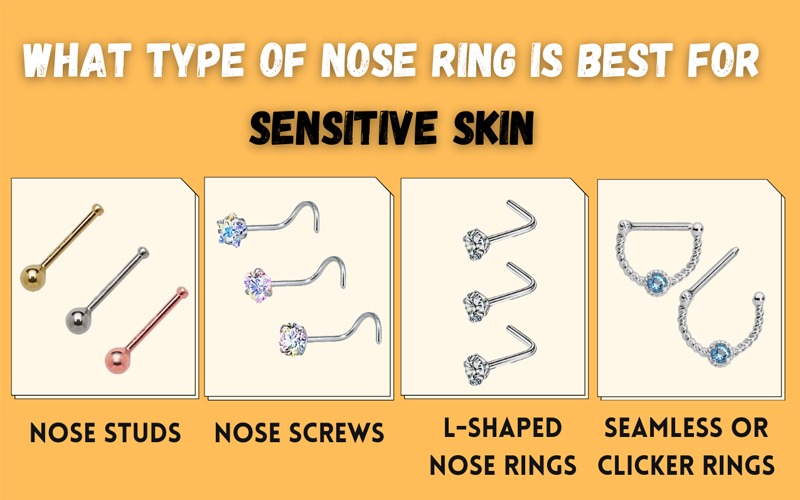
There are several types of nose rings, including studs, hoops, and septum rings. Nose studs are small and sit on the nostril, while hoops can be circular or semi-circular, providing a bolder look. Septum rings, which go through the cartilage between the nostrils, have gained popularity due to their edgy appearance. Each type offers a unique style and can be made from various materials like gold, silver, or titanium, catering to different preferences and sensitivities.
How do I take care of my nose ring after getting it pierced?
Proper aftercare is essential to prevent infection and ensure healing after getting a nose piercing. It’s recommended to clean the area with saline solution or an antiseptic solution twice a day, avoiding harsh chemicals. Additionally, avoid touching or changing the jewelry until it’s fully healed, which can take anywhere from 4 to 6 months, depending on individual healing rates. Keeping the area clean and free of irritants is key to a successful healing process.
What are the potential risks of getting a nose ring?
Some potential risks of getting a nose ring include infection, allergic reactions, and scarring. Infections can occur if the piercing is not properly cared for, while some individuals may experience allergic reactions to certain metals used in jewelry. Additionally, if not done by a professional, a poorly placed piercing can lead to complications such as keloids or prolonged healing times. It’s crucial to choose a reputable piercer and follow aftercare instructions to minimize these risks.
Which materials are best for nose rings to avoid allergic reactions?
The best materials for nose rings to avoid allergic reactions include surgical stainless steel, titanium, and niobium. These materials are hypoallergenic and less likely to cause irritation or allergic reactions, making them suitable for sensitive skin. It’s advisable to avoid jewelry made from nickel or lower-quality metals, as these can trigger allergic responses and discomfort during the healing process. Always consult with your piercer about the best options for your skin type.
References
- Nose ring
- https://www.ncbi.nlm.nih.gov/pmc/articles/PMC4114351/
- https://www.theatlantic.com/health/archive/2019/12/body-piercing-history/604218/
- https://www.psychologytoday.com/us/blog/what-matters/201903/the-psychology-body-piercing
- https://www.ncbi.nlm.nih.gov/pmc/articles/PMC7245787/
- Conditioned Response in Classical Conditioning